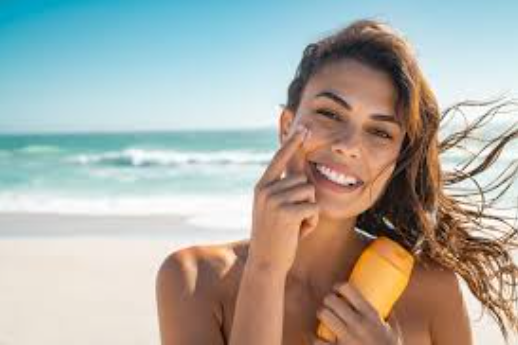
If you have dry skin, you probably know this routine: you apply sunscreen, and an hour later your face feels tight, looks flaky around the nose, or the sunscreen settles into dry patches. That’s why finding the best sunscreen for dry skin in India is about more than SPF. You need a formula that protects against strong Indian sun and adds moisture, without leaving a white cast. This guide explains what to look for, which textures work best for dry skin, and how to apply sunscreen so it doesn’t make dryness worse.
The Short Answer: What Makes a Sunscreen Good for Dry Skin?
Direct answer: choose a broad-spectrum SPF 50 sunscreen with PA+++ or PA++++, in a cream, lotion or hydrating fluid texture, with moisturising ingredients like glycerin, hyaluronic acid or ceramides. Avoid matte, “oil-control” or high-alcohol gels, which are designed for oily skin and can make dry skin feel tighter.
| Look for | Why it helps dry skin |
|---|---|
| SPF 50, broad spectrum, PA+++ or higher | Strong protection from both UVB (burning) and UVA (tanning and ageing) in high-UV Indian conditions |
| Cream, lotion or hydrating fluid texture | Leaves a thin, comfortable film instead of a drying matte finish |
| Glycerin, hyaluronic acid, ceramides, squalane | Draw in and hold moisture, and support the skin barrier |
| Fragrance-free or low-fragrance | Dry skin is often sensitive and reacts more easily to fragrance |
| Tinted or sheer formula, if white cast bothers you | Helps blend on medium to deep Indian skin tones |
You can browse more sun protection on our online pharmacy in Bangalore, delivering across India.
Why Some Sunscreens Make Dry Skin Worse
Many popular sunscreens in India are built for oily skin, because heat and humidity make shine a common complaint. Their features are exactly what dry skin doesn’t need:
- “Matte” or “oil-control” claims: these formulas often use oil-absorbing powders that pull moisture from skin that’s already short of it.
- High alcohol content: alcohol (often listed as “alcohol denat.” near the top of the ingredient list) helps gels dry quickly, but it can sting and dehydrate dry skin.
- Silicone-heavy “dry touch” gels: comfortable on oily skin, but they can cling to flaky patches and make them more visible.
That doesn’t mean every gel is wrong for dry skin. Some “hydragel” formulas include moisturising ingredients. The key is reading the label for hydrators rather than relying on the texture name.
Mineral vs Chemical Sunscreen for Dry Skin
| Factor | Mineral (zinc oxide, titanium dioxide) | Chemical / organic filters |
|---|---|---|
| How it works | Forms a protective layer on the skin | Absorbs UV rays |
| White cast | More likely, especially on deeper skin tones | Usually invisible |
| Sensitivity | Generally well tolerated by sensitive skin | Some filters can sting sensitive or very dry skin |
| Feel on dry skin | Can feel thicker; tinted versions blend better | Often lighter and easier to spread |
If your dry skin is also sensitive, a mineral or hybrid sunscreen is a safe starting point, and a tinted version helps with white cast. If your skin isn’t reactive and you want an invisible finish, a hydrating chemical or hybrid formula is usually more comfortable.
Sunscreen Textures Explained: Which Suits Dry Skin?
| Texture | Feel | Dry skin verdict |
|---|---|---|
| Cream | Richest, adds moisture | Best for very dry skin, especially in winter or air-conditioned rooms |
| Lotion | Light but comfortable | A good everyday choice, and easy to spread on face and body |
| Fluid or fluid-cream | Thin, spreads fast, little residue | Works well if you dislike heavy textures; check for hydrators |
| Hydragel | Water-light gel with moisturising ingredients | Fine for normal to mildly dry skin in humid weather |
| Matte or oil-control gel | Dry, powdery finish | Usually too drying. Better for oily skin |
| Stick or spray | Convenient for top-ups | Useful for reapplying over makeup, but not as your only layer |
Reading the Label: Ingredients That Help and Ingredients That Dry
| Helpful for dry skin | Can feel drying |
|---|---|
| Glycerin: draws moisture into the skin | Alcohol denat. or SD alcohol near the top of the list |
| Hyaluronic acid: holds water in the upper skin layers | Clay or high levels of oil-absorbing powders |
| Ceramides: support a damaged skin barrier | Strong fragrance, which can irritate dry, sensitive skin |
| Squalane or light plant oils: soften and reduce flaking | Menthol or “cooling” agents |
| Niacinamide: supports the barrier and evens tone | “Mattifying” claims on the front of the pack |
A Simple Morning Routine for Dry Skin
| Step | Product type | Tip |
|---|---|---|
| 1 | Gentle, creamy cleanser (or just water if your skin is very dry) | Avoid foaming cleansers that leave skin squeaky |
| 2 | Hydrating serum (optional), such as hyaluronic acid | Apply on slightly damp skin |
| 3 | Moisturiser, such as Cristello Intense Face Moisturizer | A cream with ceramides or glycerin |
| 4 | Sunscreen, SPF 50, PA+++ or higher, such as Cristello Skin Radiance Sunscreen for Normal to Dry Skin | Two finger-lengths for face and neck |
In winter or in air-conditioned offices, dry skin loses moisture faster. A richer moisturiser underneath sunscreen, and a hydrating mist or touch-up during the day, can make a noticeable difference.
Our First Pick: Cristello Skin Radiance Sunscreen for Normal to Dry Skin
Cristello is the dermatologist-designed range from Cutis, the hospital group behind Cutiskart, so we know this formula well. It comes in two versions, one for oily skin and one for normal to dry skin.
For dry skin, choose the Cristello Skin Radiance Sunscreen Gel SPF 50+ PA+++ for Normal to Dry Skin.
| Feature | What it means for dry skin |
|---|---|
| SPF 50+, PA+++, broad-spectrum UVA/UVB (370 nm) | Strong daily protection from burning and from tanning and ageing rays |
| Almond oil | Nourishes and softens dry, tight skin |
| Vitamin C and vitamin E | Antioxidant support against free-radical damage from sun and pollution |
| Tetrahydrocurcumin | A turmeric-derived antioxidant that supports a brighter, more even look |
| Non-greasy, comfortable finish | Moisturising without feeling heavy in humid weather |
Good to know: it contains almond oil, so if you have a nut allergy, check with your doctor and patch test first. Make sure you pick the dry-skin version. The oily-skin version is a mattifying gel and will feel drier on dry skin.
Build a Cristello Routine for Dry Skin
- Moisturise first with Cristello Intense Face Moisturizer, which pairs ceramide NP with hyaluronic acid to support a dry, weakened skin barrier.
- Want brightening too? The Cristello Dry Skin Sunscreen + Radiance Night Serum combo pairs daytime sun protection with a night serum for dullness and uneven texture.
- Dealing with dark spots? The Cristello Dry Sunscreen + Pigment Correction Serum combo combines daily sunscreen with a targeted serum. Sunscreen is essential for any dark-spot treatment to work.
Other Sunscreens for Dry Skin Available on Cutiskart
If you’d like to compare, these options from our range also have textures and features suited to dry or normal-to-dry skin. The details are taken from each product’s name and listing. Check the full ingredient list before buying, especially if your skin is sensitive.
| Sunscreen | What the listing highlights | Could suit |
|---|---|---|
| Bioderma Photoderm SPF 50+ | Made for normal to dry, sensitive skin | Dry skin that also reacts easily |
| Photon 360 Hydra Sunscreen Fluid Cream SPF 50+ | Fluid-cream texture with vitamin C and hyaluronic acid | Dry skin that wants hydration plus brightening |
| Photostable Pro+ Hydragel SPF 80+ PA++++ | Broad-spectrum hydragel that “keeps skin hydrated” | Normal to dry skin outdoors for long hours |
| Hydrasun Moisturising Sunscreen | Moisturising sunscreen | Everyday use on dry skin |
| Sebamed Multi Protect Sun Lotion | Lotion texture | Face and body on dry skin |
| Aquasoft Day Cream SPF 50+ | A day cream with SPF 50+ | A single moisturiser-plus-sunscreen step on mildly dry skin |
How we chose these: they’re stocked on Cutiskart and available at the time of writing, and their listings point to a cream, lotion, fluid or hydrating texture rather than a matte, oil-control finish. This isn’t a lab ranking: your best pick depends on how dry or sensitive your skin is and how much time you spend outdoors.
Browse the full sunscreen range for more options.
SPF and PA: How Much Protection Do You Need?
- SPF measures protection against UVB rays, which cause sunburn. SPF 30 blocks around 97% of UVB and SPF 50 around 98%. The difference sounds small, but in strong sun and with imperfect application, SPF 50 gives a useful safety margin.
- PA rating (PA+ to PA++++) shows protection against UVA rays, which cause tanning, pigmentation and ageing. For Indian sun, PA+++ or higher is a sensible minimum.
- Higher SPF doesn’t mean all-day protection. SPF 80 still needs reapplying, just like SPF 30.
How to Apply Sunscreen on Dry Skin
- Moisturise first. Dry skin does better with a hydrating moisturiser underneath. Let it absorb for a couple of minutes.
- Use enough. Most people apply far too little. A common guide is two finger-lengths for the face and neck.
See our guide on how much sunscreen your face really needs. - Pat, don’t rub hard, around flaky areas like the nose and eyebrows, so the sunscreen doesn’t roll or catch.
- Apply 15 minutes before going out, so it settles into an even layer.
- Reapply every 2–3 hours if you’re outdoors, and after sweating or washing your face. Over makeup, a sunscreen stick or spray can make reapplying easier.
Common Mistakes People with Dry Skin Make
- Skipping sunscreen in winter or indoors: UVA rays reach through clouds and windows, and they’re behind tanning and pigmentation.
- Using a “matte” sunscreen because a friend with oily skin recommended it: it may suit them and leave you tight and flaky.
- Relying on SPF in a moisturiser or foundation alone: most people apply too little of these to get the SPF on the label.
- Washing with a harsh cleanser before sunscreen: stripping the skin makes any sunscreen feel drier. A gentle, creamy cleanser helps.
Not sure whether moisturiser or sunscreen comes first?
Our skincare layering guide walks through the full order.
Quick Checklist Before You Buy
- SPF 50 and PA+++ or higher, labelled broad spectrum
- Cream, lotion or hydrating fluid texture, not “matte” or “oil control”
- Glycerin, hyaluronic acid or ceramides in the ingredient list
- No drying alcohol near the top of the ingredient list
- Fragrance-free, if your skin is also sensitive
- Tinted or sheer, if white cast is a concern on your skin tone
Choosing Sunscreen for Your Day
Dry skin doesn’t need a different sunscreen for every situation, but matching the product to your day makes it more comfortable to wear consistently.
| Situation | What works best | Why |
|---|---|---|
| Office or air-conditioned rooms all day | A hydrating cream or lotion, SPF 30–50 | Air conditioning dries skin; UVA still comes through windows |
| Daily commute by bike or bus | SPF 50, PA+++ or higher, reapplied at midday | Long, direct sun exposure plus pollution |
| Outdoor events, travel or the beach | A high-SPF, water-resistant lotion, plus a stick for top-ups | Sweat and water remove sunscreen faster |
| Winter or hill-station trips | A richer cream sunscreen over a thick moisturiser | Cold, dry air and high-altitude UV both hit dry skin hard |
| Under makeup | A fluid or lotion sunscreen that absorbs fully before foundation | Prevents pilling and patchiness on flaky areas |
Considerations and Limitations
- Very dry, cracked or eczema-prone skin needs barrier repair first. Sunscreen can sting broken skin, so speak to a dermatologist if your skin is raw or inflamed.
- Medicated creams such as retinoids or some acne treatments make skin more sun-sensitive and often drier. Daily sunscreen becomes even more important.
- White cast varies with skin tone. If a mineral sunscreen looks grey or chalky on you, try a tinted or hybrid formula..
Final Thoughts
The best sunscreen for dry skin protects and hydrates at the same time. Look for SPF 50 and PA+++ or higher, a cream, lotion or hydrating fluid texture, and moisturising ingredients, and skip the matte formulas made for oily skin. Moisturise first, use enough, and reapply when you’re outdoors. If you want one place to start, the Cristello Skin Radiance Sunscreen for Normal to Dry Skin, paired with Cristello Intense Face Moisturizer, covers both protection and hydration.
If you’re still building your routine, our guide to the best moisturiser for dry skin in India pairs well with this one, and
Frequently Asked Questions
-
Can I use the same sunscreen on my face and body if I have dry skin?
Yes, if it’s comfortable and doesn’t cause breakouts on your face. Many people prefer a lighter cream for the face and a lotion for the body, simply because the body needs a larger amount and an easy-spreading texture.
-
Is SPF in my moisturiser enough for dry skin?
Usually not as your only protection. To get the SPF on the label, you need to apply a generous amount, more than most people use for moisturiser. A dedicated sunscreen over your moisturiser is more reliable, especially on sunny days.
-
Why does my sunscreen look patchy on dry skin?
Dry, flaky areas absorb product unevenly. Exfoliate gently once or twice a week, moisturise before sunscreen, and pat it in rather than rubbing. A cream or fluid texture also settles more evenly than a matte gel.
-
Should people with dry skin choose a higher SPF?
Dryness doesn’t change how much UV protection you need. SPF 50 with PA+++ or higher is a sensible choice for most Indian conditions. What matters more for dry skin is the texture and the hydrating ingredients.
-
How should I remove sunscreen at night if my skin is dry?
Use a gentle, non-foaming cleanser, or a cleansing balm or micellar water followed by a mild cleanser if you wore a water-resistant sunscreen or makeup. Avoid scrubbing. Then apply a richer night moisturiser to replace the moisture lost during the day.
-
Can I use a tinted sunscreen on dry skin?
Yes. Tinted sunscreens often contain iron oxides, which help blend white cast on Indian skin tones and add protection against visible light, which can worsen pigmentation. Choose a tinted cream or fluid rather than a powdery, mattifying formula.
Leave a Reply