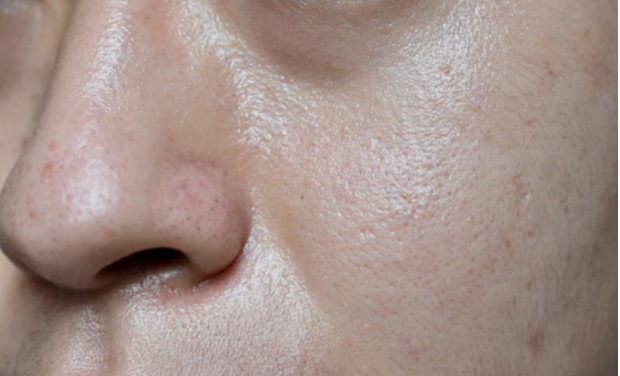
Quick answer: For oily or acne-prone skin, dermatologists usually suggest a gel or foaming face wash with salicylic acid. For dry or sensitive skin, a creamy, fragrance-free, non-foaming cleanser. For dull, uneven skin, a gentle brightening face wash with niacinamide. Whatever you choose, wash twice a day, not more, and follow with moisturizer and sunscreen.
- Ask five people for a dermatologist recommended face wash and you’ll get five different names.
- That’s because skin doctors rarely recommend one face wash for everyone.
- They recommend a type of cleanser for a type of skin, and the brand comes second.
So this guide works the way a dermatologist would. First, what a good face wash should and shouldn’t do. Then the ingredients worth looking for, a skin-type picker, and our picks for oily, acne-prone, dry, sensitive and dull skin.
Try the Cristello Radiance Milky Foaming Cleanser for oily and combination skin
What Makes a Face Wash “Dermatologist Recommended”?
There’s no official certificate behind the phrase. When a skin doctor recommends a cleanser, they’re usually checking these five things:
- It cleans without stripping. Your face should feel clean, not tight or squeaky. Tightness means the wash has removed oils your skin barrier needs.
- It suits your skin type. A rich cream cleanser can clog oily skin. A strong foaming wash can crack dry skin.
- It has a skin-friendly pH. Healthy skin is slightly acidic. Harsh, alkaline soaps disturb it, which is why most dermatologists don’t suggest bathing soap for the face.
- It’s non-comedogenic. This means it’s formulated not to block pores, which matters if you get pimples.
- It’s low on irritants. Strong fragrance, high alcohol and rough scrub particles are common triggers for redness and breakouts.
A face wash only stays on your skin for about a minute, so its main job is to clean gently. Treatment ingredients work better in a serum or cream that stays on. Keep that in mind when a face wash promises dramatic results.
Face Wash Ingredients Dermatologists Look For
| Ingredient | What it does | Best for |
|---|---|---|
| Salicylic acid (BHA) | Gets into pores and loosens oil and dead skin | Oily skin, blackheads, acne |
| Benzoyl peroxide | Reduces acne-causing bacteria | Inflamed pimples (can bleach towels) |
| Niacinamide | Calms redness, supports the barrier, helps even tone | Oily, combination and dull skin |
| Glycerin, ceramides, hyaluronic acid | Hold water in the skin while you cleanse | Dry and sensitive skin |
| Mild surfactants (non-soap cleansers) | Clean without disturbing skin pH | Every skin type |
| Kojic acid, vitamin C, glutathione | Brightening and antioxidant support | Dull or uneven skin tone |
And a few things to avoid or use with care:
- Harsh sulphates and alkaline soaps if your skin feels tight after washing
- Strong fragrance if you have sensitive or acne-prone skin
- Gritty scrubs on active pimples, since they can spread inflammation
- Too many actives at once. If your face wash has salicylic acid, you may not need another acid serum straight after
Find Your Skin Type First
Not sure what your skin type is?
Try this: wash your face with a mild cleanser, pat it dry, and don’t apply anything for an hour.
Then check.
| How your skin feels after an hour | Your likely skin type | Face wash type to choose |
|---|---|---|
| Shiny all over, especially the forehead and nose | Oily | Gel or foaming wash, ideally with salicylic acid |
| Shiny T-zone, normal or dry cheeks | Combination | Gentle foaming wash; use a stronger wash only on the T-zone |
| Tight, rough or flaky | Dry | Creamy, hydrating, non-foaming cleanser |
| Stings, itches or turns red easily | Sensitive | Fragrance-free, soap-free gentle cleanser |
| Comfortable, not shiny or tight | Normal | Any gentle cleanser you like |
Acne-prone skin can be any of these types, but it’s usually oily. Pick by skin type first, then look for acne-friendly ingredients.
Dermatologist Recommended Face Wash Picks by Skin Type
All the face washes below are available at Cutiskart’s online pharmacy. We’ve grouped them by the skin type they suit best.
For oily skin
Oily skin needs a wash that removes excess sebum without making the skin overcompensate with even more oil.
- Cristello Radiance Milky Foaming Cleanser: a foaming face wash with niacinamide and glutathione, made for oily, normal and combination skin. It cleans oil without the stripped feeling, and the niacinamide helps with dullness at the same time.
- Cristello Brightening Face Wash for Oily Skin: an oil-control face wash with glutathione, kojic acid and vitamin C, for oily skin that also looks dull or uneven.
- Read our full Cristello Brightening Face Wash review for how to use it.
- Cetaphil Oily Skin Cleanser: a simple foaming cleanser for everyday oil control.
For more options, including picks for men, see our guide to the best face wash for oily skin in India.
For acne-prone skin
Look for salicylic acid. It’s oil-soluble, so it reaches inside the pore, which is where acne starts.
- Saslic Salicylic Acid Foaming Face Wash: a salicylic acid face wash you’ll often find on pharmacy shelves for acne-prone skin.
- Dermadew Acne Face Wash: a widely used acne face wash from a dermatology brand.
Leave a salicylic acid wash on your skin for 30-60 seconds before rinsing, so it has time to work. If you also use a prescription acne cream, ask your doctor whether you need a medicated wash at all, as using both can dry the skin out.
For dry skin
Dry skin loses water easily, and foaming washes make that worse. Choose a cream or lotion cleanser that leaves skin soft.
- CeraVe Hydrating Cleanser for Dry Skin: a non-foaming cleanser made for dry skin.
- Cetaphil Gentle Cleanser: a classic soap-free cleanser that dermatologists often suggest for dry and sensitive skin.
In winter, you can skip the morning wash and just splash your face with water. Wash properly at night to remove sunscreen and pollution.
For sensitive skin
Sensitive skin reacts to fragrance, harsh surfactants and too much rubbing. Keep it simple: one gentle, fragrance-free cleanser, lukewarm water and a soft towel.
- Cetaphil Gentle Cleanser: fragrance-free and soap-free, suitable even for easily irritated skin.
Patch-test any new face wash on your jawline for two or three days before using it on your whole face.
For dull or uneven skin tone
If your skin looks tired or uneven, a brightening face wash can support your routine, but don’t expect it to fade dark spots on its own. It’s on your skin for too short a time.
- Cristello Brightening Face Wash for Oily Skin: glutathione, kojic acid and vitamin C for a fresher look.
- Cristello Radiance Milky Foaming Cleanser: niacinamide-based and gentle enough for daily use.
For real change in pigmentation, pair a brightening wash with a serum and daily sunscreen. Our guide to the best brightening face wash for dull and uneven skin goes deeper.
Do Men Need a Different Face Wash?
Not really. Skin type matters more than gender. That said, men’s skin is often oilier, and shaving adds its own needs:
- Oily skin and large pores are common, so a gel or salicylic acid wash often suits men well.
- Shaving irritates the skin. Wash with a gentle cleanser before shaving to soften the hair, and skip strong acids on shaving days if your skin stings.
- Beard areas trap oil and dead skin. Lather the wash into the beard and rinse well to help prevent itching and bumps.
- Sweat and outdoor travel mean many men need an evening wash to remove sunscreen, sweat and pollution.
Women who wear makeup should remove it fully before washing, using a micellar water or cleansing lotion first. A face wash alone may not remove long-wear foundation or waterproof products.
How to Wash Your Face the Way Dermatologists Suggest
- Wash twice a day: once in the morning and once at night. Washing more often strips the skin, even with a gentle cleanser.
- Use lukewarm water. Hot water removes protective oils.
- Take a small amount, about the size of a coin, and lather it in your hands first.
- Massage gently with your fingertips for 30–60 seconds. Don’t scrub.
- Rinse well, including along the hairline and jaw.
- Pat dry with a clean towel, then apply moisturizer within a few minutes while your skin is still slightly damp.
- In the morning, finish with sunscreen.
If you wear sunscreen or makeup, a single wash at night may not remove all of it. A gentle double cleanse works well: a cleansing lotion or micellar water first, then your regular face wash.
Common Face Wash Mistakes
- Using bathing soap on the face. It’s usually too alkaline and drying for facial skin.
- Switching face washes every week. Give a new face wash at least two to three weeks before judging it, unless it irritates you.
- Choosing by smell or foam. More foam doesn’t mean cleaner skin. Strong fragrance often means more irritation.
- Over-washing oily skin. Washing four or five times a day can make skin produce even more oil.
- Expecting a face wash to treat acne or pigmentation alone. It supports treatment; it doesn’t replace it.
When to See a Dermatologist
A face wash can help with mild oiliness, a few pimples and dullness. Book an appointment with a skin doctor if:
- You have painful, deep or cystic acne, or acne that leaves dark marks or scars
- Pimples don’t improve after 8–12 weeks of a good routine
- Your skin burns, peels or stays red after washing, even with a gentle cleanser
- You have patches that itch, scale or spread, which could be eczema or a fungal infection.
The Bottom Line
The best dermatologist recommended face wash is the one that matches your skin type. Choose salicylic acid for oily and acne-prone skin, a creamy fragrance-free cleanser for dry or sensitive skin, and a gentle niacinamide wash if dullness is your main concern. Wash twice a day, follow with moisturizer and sunscreen, and give it a few weeks.
Not sure where to start?
Browse all face washes at Cutiskart, a dermatology-focused online pharmacy that delivers across India.
Frequently Asked Questions
-
Which face wash is best according to dermatologists?
There’s no single best face wash. Dermatologists usually recommend a salicylic acid face wash for oily and acne-prone skin, a creamy, fragrance-free cleanser for dry or sensitive skin, and a gentle niacinamide-based face wash for dull or combination skin.
-
What is a derma face wash?
“Derma face wash” usually means a face wash from a dermatology-focused brand, often sold through pharmacies. These are typically formulated for specific skin concerns, such as acne or dryness, and tend to avoid harsh soaps and heavy fragrance.
-
Can I use a salicylic acid face wash every day?
Most people with oily or acne-prone skin can use a 1–2% salicylic acid face wash once or twice a day. If your skin becomes dry or flaky, cut back to once a day or every other day.
-
Is a pharmacy face wash better than a regular one?
Not always, but pharmacy face washes are more likely to be formulated for skin concerns and tested for irritation. What matters most is whether the cleanser matches your skin type.
-
Which face wash is good for brightening skin?
Look for a gentle face wash with niacinamide, vitamin C, kojic acid or glutathione. It can make skin look fresher, but for dark spots you’ll also need a serum and daily sunscreen.
-
How long does it take to see results from a new face wash?
You’ll notice how your skin feels straight away. Changes in oiliness or breakouts usually take two to four weeks of regular use.
Leave a Reply