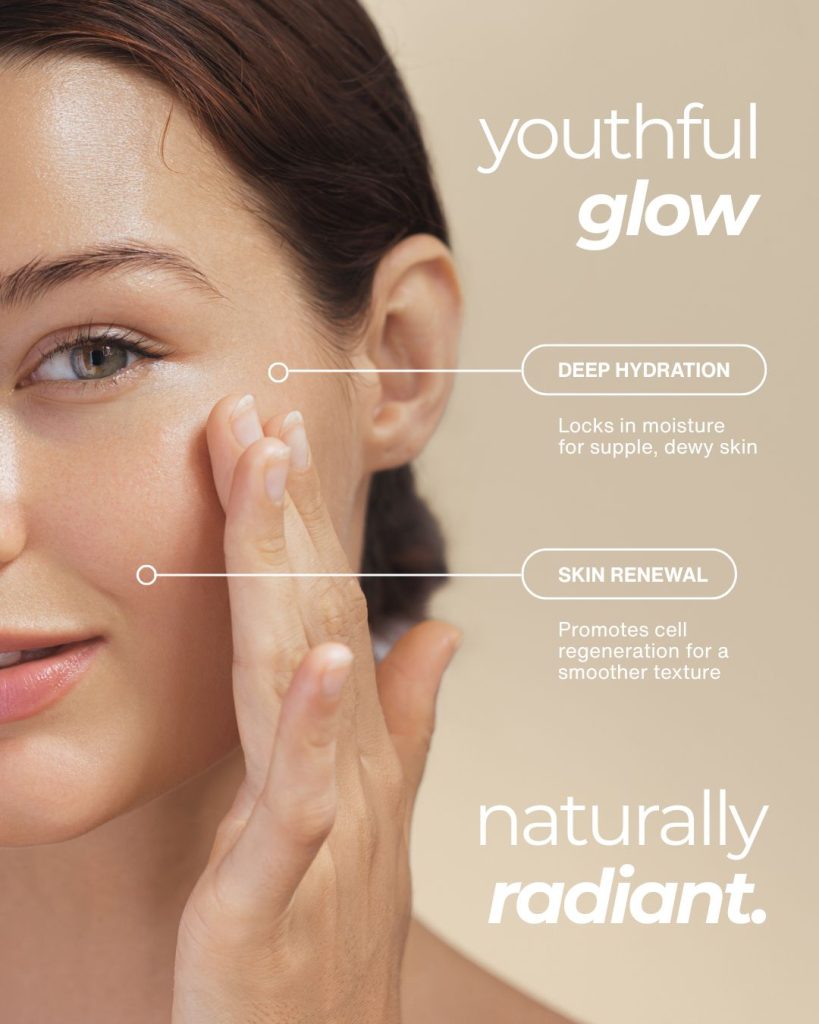
Finding the right summer moisturizer can be challenging when your skin feels oily in the afternoon but tight or dehydrated after cleansing.
- Hot weather, humidity, sweat and air conditioning can all influence how your skin feels, making your regular moisturizer seem too heavy or insufficient.
- The best summer moisturizer should provide comfortable hydration without leaving your face feeling excessively greasy.
- However, the ideal formula depends on your skin type. Oily skin may benefit from a lightweight gel or oil-control moisturizer, while dry skin often needs a cream or lotion that helps retain moisture.
In this guide, we compare summer moisturizers available on CutisKart, explain which formulas may suit different skin types, and share practical tips for choosing a moisturizer for everyday use in India’s warm and humid climate.
Why Is a Summer Moisturizer Important?
Moisturizing is an important part of skincare throughout the year, including summer. Heat and humidity may increase sweating and surface oiliness, while frequent cleansing, sun exposure and air-conditioned environments can leave skin feeling dry or uncomfortable.
Choosing the right face moisturizer for summer can help you:
- Maintain skin hydration throughout the day.
- Reduce the feeling of tightness and dryness after cleansing.
- Support the skin’s natural protective barrier.
- Keep dry patches feeling softer and smoother.
- Find a comfortable texture that fits your skincare routine.
You do not necessarily need to stop using moisturizer because your skin becomes oily in summer. Instead, choose a formula that matches your skin’s hydration needs and preferred texture.
Best Summer Moisturizers: Comparison Table
The following products are listed on CutisKart and provide options at different price points. The most suitable choice depends on your skin type, ingredient list, formulation and personal preferences.
| Product | Key ingredient or formula | Suitable skin type |
|---|---|---|
| Excela Moisturiser for Oily & Acne Prone Skin | Verify current ingredient list | Oily and acne-prone skin |
| CeraVe Oil Control Moisturizing Gel Cream | Niacinamide, hyaluronic acid and ceramides | Oily and combination skin |
| Aquahance Moisture Surge Gel | Verify current ingredient list | Check product label for suitability |
| XL Hydra Face Moisturizer Cream | Full ingredient list requires verification | Review label; customer feedback includes dry and sensitive skin |
| Fixderma Moisturising Cream | Verify current ingredient list | Check product label for suitability |
| Aquasoft Max Intense Moisturizing Cream | Verify current ingredient list | Check product label for suitability |
1. Best Summer Moisturizer for Oily Skin
If your face becomes shiny soon after cleansing, a heavy cream may feel uncomfortable during hot weather. However, oily skin still needs hydration. Skipping moisturizer completely may leave the skin feeling tight or dehydrated.
Look for a lightweight moisturizer with a gel or gel-cream texture. Products labelled non-comedogenic are designed not to clog pores, although individual reactions can vary.
What to look for
- Lightweight, easily spreadable textures.
- Glycerin or hyaluronic acid for hydration.
- Niacinamide where appropriate for oil-prone skin.
- Non-comedogenic formulations when breakouts are a concern.
Product to consider
CeraVe Oil Control Moisturizing Gel Cream
This product is listed on CutisKart at ₹1,080 for the 50 g starter pack. Its manufacturer describes a formula containing niacinamide, hyaluronic acid and three essential ceramides, designed for oily and combination skin. Its oil-absorbing formula may be worth considering if you prefer hydration with a less shiny finish.
Check the current product label and directions before use.
2. Best Summer Moisturizer for Dry Skin
- Dry skin can feel tight, rough or flaky even when the weather is hot. In this case, choosing the lightest possible moisturizer is not always the best approach. Your skin may need a cream or lotion that provides hydration and helps reduce moisture loss.
- For dry skin in summer, look for glycerin, hyaluronic acid, ceramides or other suitable moisturizing ingredients.
- The overall formula matters as much as any single ingredient.
What to look for
- Cream or lotion textures that feel comfortable on your skin.
- Humectants that attract and retain water.
- Emollients that soften rough or flaky areas.
- Barrier-supporting ingredients such as ceramides.
Product to consider
XL Hydra Face Moisturizer Cream
Customer feedback on its product page includes comments from people with dry and sensitive skin. However, the full ingredient list and detailed product benefits should be confirmed before recommending it for a specific skin concern.
If your skin remains dry despite regular moisturizing, consider whether your cleanser is too harsh or whether you need a richer formula.
3. Best Summer Moisturizer for Combination Skin
Combination skin often feels oily around the forehead, nose and chin while remaining normal or dry around the cheeks. The challenge is finding a moisturizer that hydrates dry areas without making the T-zone feel excessively greasy.
A lightweight lotion or gel-cream may work well as a starting point. You can also apply a slightly richer moisturizer to dry patches instead of using the same amount across your entire face.
Tips for combination skin
- Start with a lightweight, balanced moisturizer.
- Avoid adding multiple products solely to control shine.
- Apply a little more moisturizer to dry areas when needed.
- Adjust your routine if your skin becomes tight or irritated.
Product to consider: CeraVe Oil Control Moisturizing Gel Cream may be an option for people whose main concern is oiliness in the T-zone. If your cheeks are particularly dry, you may need additional hydration in those areas.
Compare face moisturizers on CutisKart
4. Best Summer Moisturizer for Normal Skin
Normal skin can usually accommodate several moisturizer textures, depending on personal preference and seasonal changes. During humid weather, a lightweight lotion or gel-cream may feel more comfortable than a rich cream.
The goal is to maintain hydration without adding unnecessary steps to your skincare routine.
What to consider
- Choose a texture that absorbs comfortably.
- Look for moisturizing ingredients that suit your skin.
- Avoid changing products just because a new trend becomes popular.
- Pay attention to dryness or tightness after cleansing.
Product to consider: Fixderma Moisturising Cream check the current formulation and product directions to determine whether it suits your face and preferred summer texture.
5. Best Summer Moisturizer for Sensitive Skin
Sensitive skin may react to fragrances, certain preservatives, active ingredients or changes in routine. During summer, sweat and repeated cleansing may also make irritation more noticeable.
Rather than choosing a moisturizer based on its popularity, look for a formula that your skin tolerates well.
What to look for
- Fragrance-free formulas when fragrance is a trigger.
- Moisturizers that support the skin barrier.
- Simple routines with fewer potentially irritating products.
- Products suitable for your particular skin concern.
Patch-test a new product before applying it across your face. If a moisturizer causes persistent burning, redness or swelling, discontinue use and seek appropriate medical advice.
Product to consider: best sunscreen for oily skin in India is not just “any SPF 50”. For Indian, humidity-exposed skin, dermatologists typically recommend a gel-based, non-comedogenic SPF 50+ PA+++ or PA++++ formula with a matte or dry-touch finish that doesn’t clog pores or irritate acne.
6. Best Non-Greasy Moisturizer for Summer Daily Use
A non-greasy moisturizer is a practical choice if you want hydration without a heavy or sticky feeling. Gel-based and lightweight lotion formulations can be particularly comfortable in humid weather, although the finish depends on the product and your skin.
When comparing summer face creams, consider more than the words on the packaging.
Check the texture, the ingredients, whether the formula is suitable for your skin type, and how your skin feels after application.
How to choose a lightweight moisturizer
- Identify whether your skin is oily, dry, combination or sensitive.
- Look for a suitable gel, gel-cream, lotion or cream texture.
- Check the complete ingredient list.
- Introduce one new product at a time.
- Observe how your skin responds over several uses.
For oily skin, CeraVe Oil Control Moisturizing Gel Cream is one option to compare. For a lower-priced cream, XL Hydra Face Moisturizer Cream is another product listed on CutisKart, although the texture and ingredients should be checked before describing it as non-greasy.
How We Chose These Summer Moisturizers
Our selection approach focuses on practical considerations that help shoppers compare moisturizers for summer.
- Skin-type suitability: We consider whether a product’s stated purpose and formulation align with oily, dry, combination, normal or sensitive skin.
- Ingredient information: We look for available ingredient details and consider the role of moisturizing ingredients such as glycerin, hyaluronic acid and ceramides.
- Texture and everyday comfort: Lightweight gels, lotions and gel-creams may suit people who prefer a less heavy finish in warm weather. Dry skin may require a richer cream.
- Price and value: We compare listed prices so shoppers can consider different budgets. Value also depends on pack size, frequency of use and how well a formula suits the individual.
- Product information: We use available retailer and manufacturer details to inform recommendations. Product claims, ingredients, current prices and availability should be verified before publication.
These are editorial selection criteria, not a claim that the products have undergone independent clinical testing or a comparative dermatologist-led trial.
How to Choose the Best Summer Moisturizer for Your Skin
Choosing the best moisturizer for summer starts with understanding what your skin needs, rather than looking for a product that claims to work for everyone.
Check your skin type
- Oily skin: Consider lightweight, non-comedogenic gel or gel-cream formulas.
- Dry skin: Consider creams or lotions with humectants and barrier-supporting ingredients.
- Combination skin: Start with a balanced lotion or gel-cream and adjust application on drier areas.
- Normal skin: Choose a comfortable formula that maintains hydration without feeling too heavy.
- Sensitive skin: Prefer products with ingredients your skin tolerates and avoid known triggers.
Understand the main moisturizing ingredients
Glycerin: A humectant that attracts water and helps keep the outer layer of skin hydrated.
Hyaluronic acid: A humectant used in skincare to help retain water and improve the feeling of hydration.
Ceramides: Lipids that support the skin barrier and help reduce moisture loss.
Emollients: Ingredients that soften the skin and improve its texture.
The complete formulation matters. An ingredient alone does not guarantee that a product will suit your skin or provide a particular result.
Best Anti-Dandruff Shampoo in India (2026): Dermatologist-Recommended Picks
Do not confuse moisturizer with sunscreen
A moisturizer helps hydrate the skin, while sunscreen is designed to protect against ultraviolet radiation. Some products combine these functions, but you should not assume that an ordinary moisturizer provides sun protection.
For daytime use, apply a broad-spectrum sunscreen with SPF 30 or higher, following its label directions. Reapply as directed, especially after sweating, swimming or wiping your face.
Apply moisturizer consistently
- After cleansing, gently pat your face so it remains slightly damp, then apply a suitable moisturizer.
- Use it in the morning and evening if that routine works for your skin, adjusting frequency according to your needs and product directions.
If you use prescription skincare treatments, follow your clinician’s instructions about how to combine them with moisturizer.
Final Thoughts
The best summer moisturizer is one that meets your skin’s hydration needs while feeling comfortable in hot and humid weather. Lightweight formulas can suit oily skin, while dry skin may need a richer cream. People with combination or sensitive skin should choose products according to their specific concerns and ingredient tolerance.
Compare product details, ingredients, pack sizes and current prices before making a decision.
Remember that moisturizer and sunscreen serve different purposes. Maintain a consistent routine, use appropriate sun protection and seek professional advice if you have persistent irritation or a specific skin condition.
Your Online Pharmacy in Bangalore for Skin, Hair & Nail Care, Delivered Across India
FAQS
1. Which moisturizer is best for summer?
Common mistakes include skipping moisturizer because your skin is oily, using heavy winter creams in humid weather, not adjusting formulas to your skin type, and applying moisturizer on completely dry skin so it can’t lock in water properly. Another big one is choosing products based on trends instead of your actual skin needs, which often leads to breakouts or irritation.
2. Which moisturizer is best for dry skin in summer?
For dry skin in summer, choose a moisturizer that provides lasting comfort without irritating your skin. Ingredients such as glycerin, hyaluronic acid and ceramides may help support hydration and the skin barrier. A lotion or cream may be more suitable than a very light gel if your skin feels tight or flaky.
3. What is the best non-greasy moisturizer for summer use?
A lightweight gel, gel-cream or lotion may provide hydration without a heavy finish. People with oily skin can compare products formulated for oil control, while those with dry skin should avoid sacrificing necessary hydration just to achieve a matte appearance. Individual results depend on the formulation and your skin.
4. Which summer moisturizer is suitable for all skin types?
No single moisturizer is guaranteed to suit every skin type. A lightweight, well-tolerated formula may work for many people, but dry, oily and sensitive skin can have different needs. Choose based on your skin type, ingredient tolerance and hydration requirements rather than relying only on an all-skin-types label.
5. Can I use moisturizer every day during summer?
Yes. Most people can use a suitable moisturizer daily during summer. Apply it after cleansing and adjust the texture according to how your skin feels. Oily skin may prefer a lighter formula, while dry skin may benefit from a cream. If irritation develops, review the ingredients and discontinue the suspected trigger.
6. What should I look for in a lightweight moisturizer for hot weather?
Look for a texture that spreads easily and feels comfortable after application. Glycerin and hyaluronic acid can help hydrate the skin, while suitable lightweight emollients can support softness. If you have oily or acne-prone skin, consider a non-comedogenic formula. Always check the product’s full ingredient list and directions.
Leave a Reply