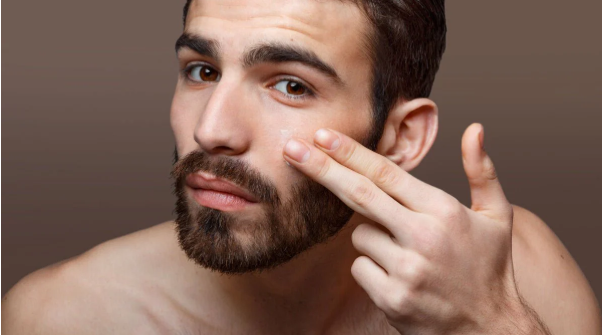
Oily skin and sunscreen, if you’ve ever given up on SPF because it made your face look like a frying pan by noon, I completely understand. It’s one of the most common complaints I hear from patients.
But skipping sunscreen on oily skin isn’t the answer. In fact, unprotected UV exposure actually worsens sebum production over time, making oiliness worse not better.
The good news?
The sunscreen market in 2026 has genuinely caught up. There are lightweight, matte-finish, non-comedogenic formulas that work brilliantly on oily and combination skin and several of them cost under ₹500.
This guide cuts through the noise and gives you exactly what you need: what to look for, what to avoid, and which sunscreens are actually worth your money.
What Makes a Sunscreen Good for Oily Skin? (Non-Negotiables)
Before jumping into picks, let’s be clear on what your sunscreen actually needs to do if you have oily or acne-prone skin.
| Feature | Why It Matters for Oily Skin |
| Matte or dry-touch finish | Prevents the greasy, reflective look by midday |
| Non-comedogenic formula | Won’t clog pores or trigger breakouts |
| Lightweight texture | Gel, fluid, or aqua-gel base sits well under makeup |
| SPF 30 minimum (SPF 50 ideal) | SPF 30 blocks ~97% UVB; SPF 50 blocks ~98% worth the small bump |
| PA+++ or PA++++ | PA rating covers UVA critical for pigmentation and premature ageing |
| No heavy emollients | Avoid petrolatum, coconut oil, or shea butter in a sunscreen if you’re oily |
One more thing, broad spectrum matters. You want both UVA and UVB protection, not just a high SPF number. SPF only measures UVB protection. A sunscreen with SPF 50 but no PA rating is an incomplete shield.
Chemical vs. Mineral Sunscreen: Which Is Better for Oily Skin?
This is a question I get constantly. Here’s the honest answer:
Chemical sunscreens (avobenzone, octinoxate, tinosorb) tend to be better tolerated on oily skin because they absorb into the skin rather than sitting on top. They’re lightweight, don’t leave a white cast, and layer beautifully under makeup.
Mineral sunscreens (zinc oxide, titanium dioxide) sit on top of the skin and can feel heavier. They’re ideal for sensitive or acne-inflamed skin, but some formulas leave a white cast on deeper skin tones.
Best option for most oily skin types in India: A hybrid formula chemical actives + low-percentage zinc oxide. You get the lightweight feel with some mineral benefits, and modern formulations have largely solved the white cast problem.
Best Sunscreen for Oily Skin in India 2026 – Top Picks
Under ₹500 (Budget Picks That Actually Work)
| Product | SPF/PA | Texture | Best For | Approx. Price |
| Minimalist Lip Balm SPF 30 | SPF 30 | Balm | Lips + dry patches alongside oily T-zone | ~₹269 |
| Dot&Key Vit C+E Super Bright Sunscreen | SPF 50+ | Lightweight fluid | Oily + dull skin, daily use | ~₹401 |
| Sebamed Sun Lotion SPF 50 | SPF 50 | Lotion | Sensitive oily skin, pH-balanced | ~₹1,503 |
For the full range of dermatologist-recommended sunscreens and skin care products available online,
Browse Cutiskart’s Skin Care section they stock both OTC and prescription-grade options with fast delivery across India.
SPF 30 vs SPF 50 for Oily Skin – Which Should You Pick?
Short answer: SPF 50, always, if you’re in India.
Here’s why that matters specifically for us:
- India sits close to the equator UV index regularly hits 10–12 in summer months
- UV exposure is high even on cloudy or hazy days
- If you’re treating hyperpigmentation, acne marks, or melasma, SPF 50 gives meaningfully better protection during active treatment
- The texture difference between SPF 30 and SPF 50 in modern formulas is minimal
The only reason to choose SPF 30 is if you genuinely cannot tolerate any SPF 50 formula and the alternative is wearing nothing. SPF 30 used consistently beats SPF 50 used inconsistently every time.
How to Apply Sunscreen on Oily Skin (Most People Get This Wrong)
This matters as much as which sunscreen you choose. Here’s the correct method:
- Use a coin-sized amount for your face most people underapply by 50%, which halves the effective SPF
- Apply as the last step of your skincare routine, before makeup
- Wait 2–3 minutes after moisturiser before applying sunscreen, so it doesn’t pill or ball up
- Reapply every 2 hours if you’re outdoors no sunscreen lasts all day without reapplication
- Don’t rub it in aggressively pat and press gently, especially over any active breakouts
- For very oily skin: apply a thin layer of sunscreen, blot with a tissue after 5 minutes, then apply a light setting powder if needed. This dramatically reduces the greasy finish.
Ingredients to Avoid in Sunscreen If You Have Oily or Acne-Prone Skin
Not all sunscreens are created equal. These ingredients are common in sunscreen formulas but work against oily and breakout-prone skin:
- Coconut oil – highly comedogenic, clogs pores
- Isopropyl myristate – a penetration enhancer that congests pores on oily skin
- Heavy silicones (dimethicone in high concentrations) – can trap sebum and cause closed comedones
- Alcohol denat. as the first or second ingredient – dries skin surface, triggers rebound oiliness
- Fragrance – not directly comedogenic, but irritates sensitised or acne-prone skin
Dermatologist note: “Non-comedogenic” on the label is a marketing claim, not a regulated standard in India. Always cross-check the ingredient list rather than relying on the label alone.
Sunscreen Routine for Oily Skin: Morning to Midday
Keep it simple. More steps aren’t better if your skin is oily.
| Time | Step | What to Use |
| Morning | Cleanser | Gentle, foam or gel cleanser |
| Morning | Treatment (optional) | Niacinamide serum or light moisturiser |
| Morning | Sunscreen | SPF 50, matte-finish, non-comedogenic |
| Midday | Reapplication | Sunscreen spray or powder SPF (easier over makeup) |
| Evening | Cleanser | Double cleanse to remove sunscreen fully |
The evening double cleanse is non-negotiable. Sunscreen left on overnight especially chemical filters contributes to pore congestion on oily skin. An oil cleanser or micellar water first, followed by your regular face wash, removes it completely.
Common Sunscreen Mistakes Oily Skin Types Make
- Skipping sunscreen because “it breaks me out” – the formula was wrong, not the habit. Switch, don’t stop.
- Applying too little – under-application is the single biggest reason sunscreen “doesn’t work”
- Choosing SPF 15 or 20 – this is not sufficient protection for Indian UV levels. Minimum SPF 30.
- Not reapplying – a single morning application doesn’t last the full day
- Using a body sunscreen on the face – body formulas are thicker and more occlusive; always use a face-specific SPF
- Expecting sunscreen to control oil – SPF protects. For oil control, look at your cleanser and moisturiser, not your sunscreen.
Does Sunscreen Make Oily Skin Worse?
A question I’m asked at nearly every consultation.
The direct answer: the wrong sunscreen can, but the right one won’t.
Oily skin produces excess sebum regardless of what you apply. What sunscreen can do if it’s heavy, pore-clogging, or loaded with occlusives is trap that sebum and lead to blackheads or closed comedones. That’s a formula problem, not a sunscreen problem.
Modern gel-based and aqua-fluid sunscreens designed for oily skin are formulated to be sebum-compatible. They don’t increase oil production, they don’t clog pores if properly formulated, and they come off fully with correct cleansing.
If you’ve had bad experiences with sunscreen in the past, the issue was almost certainly the formula. Try a gel-texture or fluid SPF specifically labelled for oily or combination skin you’ll likely find the experience entirely different.
Final Word
The best sunscreen for oily skin in India in 2026 is the one you’ll actually wear every single day. That means finding a texture you genuinely like: lightweight, non-greasy, and fast-absorbing. SPF 50, broad spectrum, PA+++ minimum. Non-comedogenic formula. Applied generously and reapplied midday.
It doesn’t need to be expensive. It needs to be consistent.
Explore dermatologist-recommended sunscreens and the full range of skin care products at Cutiskart’s Skin Care store including matte-finish SPFs, gel sunscreens, and prescription skincare, all shipped across India.
Your skin will thank you by October.
FAQs
-
Can I skip moisturiser and just use sunscreen on oily skin?
If your sunscreen has humectants (glycerin, hyaluronic acid), yes many modern SPFs double as light moisturisers. On very oily skin, a standalone sunscreen over cleansed skin is perfectly reasonable.
-
Which is better for oily skin – gel sunscreen or cream sunscreen?
Gel sunscreen, almost always. Cream formulas have more emollients and tend to feel heavier. Gel, fluid, and aqua-gel textures sit lighter and reduce midday shine.
-
Should I use sunscreen even if I’m indoors?
If you’re near windows or on screens for extended periods yes. UVA rays penetrate glass. A light SPF 30 indoors is sufficient.
-
Is SPF in foundation enough for oily skin?
No. You’d need to apply foundation at a quantity far beyond normal use to achieve the stated SPF. Always apply a separate sunscreen underneath.
Leave a Reply