Are you staring at your newborn’s peeling skin and wondering if you should reach for the lotion or just leave it alone?
Is that little red patch on their cheek a normal “baby rash” or something that needs a doctor’s eye?
We get it, the world of skincare for babies can feel like a minefield of “don’ts” and expensive “must-haves.” You want the best for your little one, but with so much conflicting advice online, where do you even start?
To help you navigate these early days, we’ve put together a comprehensive guide rooted in dermatological expertise. From the first bath to managing common irritations, here is exactly how to protect that delicate skin barrier while keeping things simple and safe.
What Makes Baby Skin Different?
Before diving into the “how,” it is vital to understand the “why.” A baby’s skin is not just a smaller version of yours. It is significantly thinner up to 30% thinner than adult skin making it highly permeable and prone to moisture loss.
- Higher Absorbency: Because the skin is thinner, it absorbs topical treatments much faster, which is why “fragrance-free” isn’t just a marketing buzzword; it’s a safety requirement.
- Weakened Barrier: The “acid mantle” (the skin’s protective layer) is still developing, making babies more susceptible to environmental irritants and bacteria.
- Temperature Regulation: Babies don’t sweat like we do, meaning they can overheat or develop heat rashes much more easily.
The Foundation of Skincare for Babies
The most important rule in pediatric dermatology is “less is more.” In the first few months, your baby doesn’t need a ten-step routine. They need protection and hydration.
1. The Bathing Routine
You might be tempted to bathe your baby every night as part of a bedtime ritual, but for their skin, this can actually be counterproductive.
- Frequency: 2–3 times a week is usually sufficient for newborns, provided you are doing “spot cleaning” (diaper area and face) daily.
- Water Temperature: Use lukewarm water. Hot water strips away natural oils, leading to chronic dryness.
- Duration: Keep baths under 10 minutes to prevent the skin from pruning and losing its natural moisture.
2. Choosing the Right Cleanser
Avoid traditional soaps. Look for “syndets” (synthetic detergents) or liquid cleansers that are soap-free and pH-neutral.
- Look for labels that say “Tear-free,” “Fragrance-free,” and “Hypoallergenic.”
| Feature | What to Look For | Why it Matters |
| Fragrance | Fragrance-Free | Scents are the #1 cause of contact dermatitis in infants. |
| pH Level | 5.5 (Neutral) | Matches the skin’s natural acidity to prevent irritation. |
| Dyes | Dye-Free | Unnecessary chemicals that can trigger allergic reactions. |
| Parabens | Paraben-Free | Preservatives that may interfere with delicate hormonal balances. |
Moisturising Your Baby: The Golden Rule
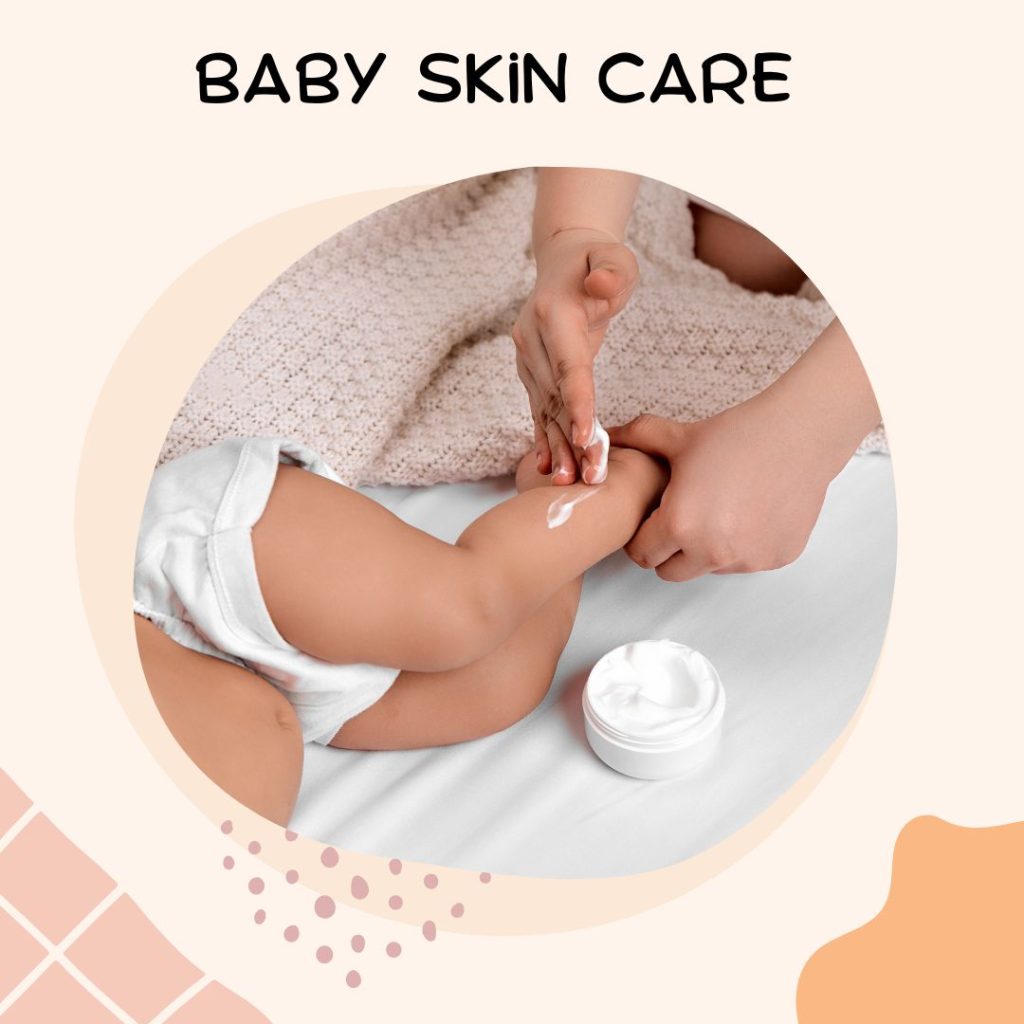
Hydration is the cornerstone of healthy skin. Moisturising your baby immediately after a bath is the most effective way to “lock in” water. This is often referred to as the “Soak and Seal” method.
When and How to Apply Lotion
- The 3-Minute Window: Apply moisturiser within three minutes of patting the skin dry (never rub!) after a bath.
- Texture Matters: In winter or for babies with dry patches, an ointment or a thick cream is better than a watery lotion.
- The Diaper Area: This is the most “high-traffic” area for irritation. Using a barrier cream containing zinc oxide at every change can prevent the dreaded diaper rash.
Spotting Quality: The Baby Daily Moisture Lotion
When selecting a Baby Daily Moisture Lotion, consistency is key. A good lotion should feel rich but absorb quickly without leaving a greasy film that can trap heat. If your baby has eczema-prone skin, look for ingredients like ceramides or colloidal oatmeal, which help rebuild the skin barrier.
Common Baby Skin Conditions & Solutions
As an expert, I see parents panic over things that are actually quite common. Here is a quick reference for the most frequent issues:
- Cradle Cap (Seborrheic Dermatitis): Yellow, crusty scales on the scalp.
- Solution: Gently massage baby oil into the scalp, let it sit for 10 minutes, and brush away the scales with a soft-bristled brush before shampooing.
- Milia: Tiny white bumps on the nose and cheeks.
- Solution: Do nothing! These are just blocked pores that will clear up on their own within weeks. Never squeeze them.
- Heat Rash: Small red bumps usually found in skin folds.
- Solution: Keep the area cool and dry. Avoid heavy ointments in these specific areas as they can block sweat ducts further.
Key Considerations for Your Baby Skincare Range
When building your Baby Skincare Range, you don’t need dozens of products. A curated, high-quality kit is far better than a bathroom cabinet full of mediocre ones.
The Essential Checklist:
- A Soap-Free Wash: For hair and body.
- A Rich Moisturiser: For daily use after baths.
- A Zinc-Based Barrier Cream: For the diaper area.
- A Mineral Sunscreen: (For babies over 6 months) Using Zinc Oxide or Titanium Dioxide.
Finding the Best Skincare for Babies
The best skincare for babies isn’t always the most expensive. It’s the one that has the shortest ingredient list. As a rule of thumb: if you can’t pronounce half the ingredients, it might be too harsh for a newborn.
Trust brands that are clinically tested and recommended by the National Eczema Association (NEA).
Protecting Against the Elements
- Sun Protection: For babies under 6 months, the American Academy of Pediatrics recommends keeping them out of direct sunlight entirely. Use hats, umbrellas, and UV-protective clothing.
- Winter Care: Cold air and indoor heating are a recipe for “winter itch.” Increase the frequency of moisturising during the colder months to twice daily.
Conclusion: Trust Your Instincts
Taking care of a baby’s skin doesn’t have to be a source of stress. By focusing on a “less is more” philosophy and choosing products within a reputable Baby Skincare Range, you are giving your child the best foundation for healthy skin.
Remember, every baby is unique. What works for one might not work for another. If you notice persistent redness, weeping sores, or if your baby seems unusually itchy and uncomfortable, always consult your pediatrician or a dermatologist.
Discover gentle baby care products for newborns & kids in cutiskart
Leave a Reply