You’ve been there before, the itch starts quietly by afternoon, gets worse by the time you’re home, and no matter how many times you switch soaps or creams, it comes back within a few weeks of finishing the course. If that cycle sounds familiar, the problem might not be your skin at all, it’s what’s touching it for 10+ hours a day.
Finding the best antifungal underwear in India is one of the most overlooked fixes for recurring groin fungal infections, and once you understand why ordinary cotton and synthetic innerwear actually make the problem worse, the solution becomes obvious.
This guide breaks down what actually makes underwear “antifungal,” how to choose between reusable and disposable options, what to look for on a label before you buy, and where actual dermatology-backed antimicrobial innerwear fits into a real recovery routine not just a temporary fix.
Why Regular Underwear Keeps Your Fungal Infection Coming Back
Fungal infections in the groin area (commonly called tinea cruris, or “jock itch”) thrive in exactly the environment ordinary underwear creates: warmth, trapped moisture, and friction. Cotton absorbs sweat but holds onto it against the skin instead of moving it away, while tight synthetic fabrics trap heat with almost no airflow. Every hour spent in that environment gives fungal spores more time to multiply, which is exactly why a cream or tablet can clear the infection and it still returns within weeks the treatment addresses the fungus, but the underwear keeps recreating the conditions it needs to grow back.
This is the part most people never get told at the pharmacy counter: treating a recurring fungal infection without changing what you wear against your skin every day is treating the symptom on a loop, not the cause.
What Actually Makes Underwear “Antifungal”?
Not every innerwear labeled “breathable” or “cotton-rich” qualifies. Genuine antifungal and antimicrobial underwear is built differently, usually combining a few specific features rather than just one marketing claim.
| Feature | What It Does | Why It Matters |
| Antimicrobial fabric treatment (e.g., silver-ion or similar finish) | Actively inhibits fungal and bacterial growth on the fabric surface | Stops the fabric itself from becoming a breeding ground between washes |
| Moisture-wicking weave | Pulls sweat away from skin to the outer layer | Reduces the damp, warm microclimate fungus needs to survive |
| Breathable, ventilated construction | Increases airflow around the groin area | Lowers skin temperature and speeds up moisture evaporation |
| Seamless or low-friction stitching | Reduces chafing and skin irritation | Prevents micro-abrasions that make skin more vulnerable to infection |
| Skin-safe, dermatologically tested fabric | No harsh dyes or synthetic irritants | Suitable for skin already inflamed or recovering from infection |
Direct answer: if underwear doesn’t combine an antimicrobial fabric treatment with genuine moisture-wicking and breathable construction, it’s not doing meaningfully more for a fungal infection than any regular pair regardless of how the packaging is worded.
Best Reusable Antifungal Underwear: What to Look For
Reusable antifungal underwear is the practical everyday choice for most people managing recurring infections, since it’s cost-effective over time and works well as a long-term habit change rather than a short-term fix.
When comparing reusable options, prioritize three things in this order: fabric treatment that survives multiple washes (check the label for wash-count claims, not just “antimicrobial”), a breathable weave you can actually feel air move through when held up to light, and a fit that isn’t so tight it creates constant friction. A pair that loses its antimicrobial effect after 10 washes isn’t meaningfully different from regular underwear for someone who’s washing and wearing daily for months.
A quick answer people search for often: how many antifungal underwear should I own? For daily rotation without overwashing any single pair (which can degrade the antimicrobial finish faster), 5–7 pairs is a realistic number for most people managing an active or recently treated infection.
Our Anti-Dandruff Shampoo Buying Guide if scalp fungal or yeast-related issues are also part of your routine.
Best Disposable Antifungal Underwear: When It Makes Sense
Disposable antifungal underwear isn’t for everyday use for most people it fills a specific gap. It’s genuinely useful during acute infection flare-ups when you want zero risk of re-contamination from a washed-but-not-fully-clean pair, during travel when laundry access is unreliable, or post-procedure (like after a minor dermatological treatment) when hygiene needs to be tightly controlled for a short window.
The trade-off is straightforward: disposables cost more per use and aren’t a sustainable long-term solution, but for the specific situations above, they remove a variable that reusable underwear can’t fully eliminate the risk that a wash cycle didn’t fully clear fungal spores from fabric.
Everyday Antimicrobial Innerwear: Building It Into a Real Routine
Here’s where most people go wrong they treat antimicrobial innerwear as something to wear only while actively infected, then go back to regular underwear once the itching stops. That’s backwards. Everyday antimicrobial innerwear works best as ongoing prevention, especially for anyone who’s had a recurring infection even once, since the skin environment that caused it the first time doesn’t change on its own.
A realistic daily routine looks like this:
- Showering and drying the groin area completely before dressing dampness under underwear is the single biggest daily risk factor, more than the underwear brand itself.
- Wear breathable, anti-bacterial trunks with advanced moisture control rather than tight synthetic briefs, especially during humid weather or on days with extended physical activity.
- Changing underwear immediately after sweating heavily during a gym session or long commute in heat is enough to recreate the exact conditions fungus needs, even in good-quality fabric.
- Washing antimicrobial underwear in cooler water where the label recommends it hot water can degrade some antimicrobial fabric treatments faster than expected.
- Rotate at least 5–7 pairs so no single pair is worn before being fully washed and dried.
How to Choose the Right Antifungal Underwear for Your Situation
Rather than picking by brand recognition, match the choice to what you’re actually dealing with right now.
| Your Situation | Better Fit | Why |
| First-time mild irritation, no diagnosed infection yet | Everyday antimicrobial innerwear | Preventive stops a minor issue from becoming a recurring one |
| Currently under treatment for a diagnosed fungal infection | Reusable antifungal underwear + disposables during flare-ups | Combines daily hygiene support with zero re-contamination risk during the worst days |
| Frequent recurrence despite treatment | Reusable antifungal underwear as a permanent daily habit | Recurrence usually means the environment, not just the fungus, needs to change |
| Travel, gym-heavy days, or unreliable laundry access | Disposable antifungal underwear | Removes dependence on a proper wash cycle |
| Active athlete or high-sweat occupation | Breathable, anti-bacterial trunks with advanced moisture control | Moisture control matters more than any other single feature here |
Common Mistakes That Undo Good Underwear Choices
Even the right underwear won’t help much if a few everyday habits work against it.
- Are you still using talcum powder as your main defense?
Powder can actually cake in a damp environment and, in some cases, worsen irritation rather than prevent it; it’s a poor substitute for genuinely moisture-wicking fabric. - Are you reusing gym clothes without washing them daily?
Even antimicrobial underwear can’t fully compensate for damp shorts or joggers worn repeatedly without a wash. - Are you skipping the doctor because the itching went away?
A fungal infection can clear visibly while spores remain on skin and fabric; finishing the full prescribed treatment course matters more than how quickly symptoms improve. - Are you buying based on “cotton” alone?
Cotton is breathable but not antimicrobial or fast-drying by itself the label needs to specifically mention an antimicrobial or antifungal fabric treatment, not just fabric type.
When to See a Dermatologist Instead of Just Changing Underwear
Better innerwear is genuinely effective for prevention and as a supporting habit during treatment, but it isn’t a substitute for medical care when an infection is active, spreading, or recurring frequently. See a dermatologist if the affected area is spreading beyond the groin fold, if there’s persistent redness, cracking, or odor despite good hygiene, or if the same infection has returned three or more times in a year at that point, an underlying factor (like a broader skin condition, blood sugar issue, or an incompletely treated prior infection) may need proper diagnosis rather than another round of over-the-counter cream.
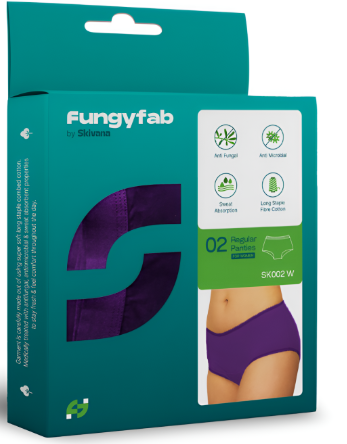
You can browse dermatologist-considered, breathable antifungal and antimicrobial innerwear options at CutisKart’s Fungyfab collection if you’re ready to make the switch; it’s built specifically around this everyday prevention and recovery-support use case rather than general innerwear.
Fabric Materials Compared: Cotton vs. Synthetic vs. Antimicrobial Blends
Since most of the confusion around antifungal underwear actually starts at the fabric level, it helps to see the common options side by side rather than take a label’s word for it.
| Fabric Type | Moisture Handling | Breathability | Fungal Growth Risk | Best For |
| Plain cotton | Absorbs sweat but holds it against skin | Moderate | Higher – retained moisture stays warm | Casual daily wear, low sweat conditions |
| Synthetic (nylon/polyester blends, untreated) | Poor absorption, can feel damp longer | Low, especially tight-fit styles | Highest – heat and moisture both trapped | Not recommended for humid climates or active days |
| Antimicrobial-treated cotton or micro-modal blend | Wicks moisture away from skin | High | Low – fabric surface actively resists microbial growth | Daily prevention and active infection recovery support |
| Bamboo or bamboo-blend antimicrobial fabric | Naturally moisture-wicking, treatment enhances it further | High | Low | Sensitive skin, humid climates |
The pattern here is consistent: it’s not really “cotton vs. synthetic” that decides the outcome, it’s whether the fabric has been specifically treated and constructed to move moisture away from skin and resist microbial growth. A plain cotton brief and an antimicrobial cotton-blend trunk can look nearly identical on a hanger and behave completely differently against skin over a full day.
How Climate and Lifestyle Change What You Actually Need
India’s climate variation matters more here than most buying guides mention. Someone in Chennai or Mumbai dealing with year-round humidity has a fundamentally different risk profile than someone in Delhi during a dry winter, and the underwear choice should reflect that rather than following one generic recommendation.
This is also why a single pair of “good” antifungal underwear rarely solves the problem on its own. The fabric matters, but so does how quickly you get out of sweat-soaked clothing, how well you dry off before dressing, and how consistently you rotate clean, fully-dried pairs rather than reaching for whatever’s on top of the pile.
Recurring fungal infections are frustrating precisely because they feel like they should be solved already but if the environment causing them never changes, the infection has every reason to come back. Antifungal, antimicrobial underwear isn’t a cosmetic upgrade; it’s a genuine part of breaking that cycle, alongside proper hygiene and medical treatment when needed.
Dermatologist-Recommended Skincare & Haircare Products Online in India
FAQs
-
What is the best antifungal underwear in India for recurring infections?
Look for reusable underwear combining an antimicrobial fabric treatment (such as a silver-ion or similar finish), genuine moisture-wicking material, and breathable, low-friction construction the combination matters more than any single feature or brand name.
-
Is antifungal underwear actually effective, or is it just marketing?
It’s effective when the fabric treatment is genuine and verified, since it directly addresses two of the biggest contributing factors to fungal growth trapped moisture and warmth though it works best alongside proper hygiene and medical treatment, not as a replacement for either.
-
How often should I replace antifungal underwear?
Most antimicrobial fabric treatments lose effectiveness gradually with repeated washing, so replacing pairs every 4–6 months of regular use is a reasonable guideline, sooner if the fabric feels thin or the elastic has loosened.
-
Can antifungal underwear cure an existing fungal infection on its own?
No it supports prevention and reduces reinfection risk, but an active, diagnosed fungal infection typically needs an antifungal cream or oral medication prescribed by a doctor; underwear is a hygiene and prevention layer, not a treatment.
-
What’s better for daily use disposable or reusable antifungal underwear?
Reusable is the more practical and cost-effective choice for everyday wear; disposable is better reserved for acute flare-ups, travel, or situations where reliable washing isn’t possible.
-
Does breathable, anti-bacterial innerwear help with sweat-related skin issues beyond fungal infections?
Yes, moisture control and breathability also help with general chafing, heat rash, and bacterial skin irritation, since all three share the same underlying trigger of prolonged warmth and dampness against skin.
Leave a Reply