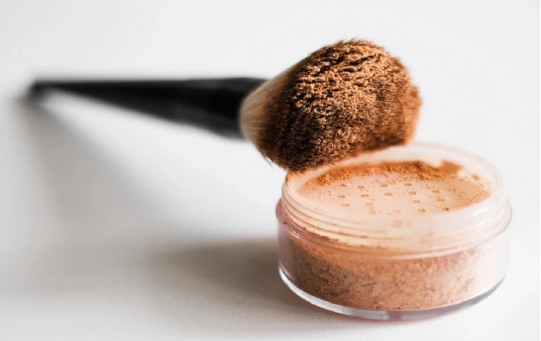
- For a face powder for daily use, choose a translucent or loose powder labelled “non-comedogenic” or “oil-free”, ideally one with oil-absorbing ingredients like silica.
- Apply a thin layer over sunscreen with a puff or brush, mainly on the T-zone.
- Keep baby powder for occasional, light use, patted on rather than dusted. Medicated dusting powders (with clotrimazole, terbinafine or ketoconazole) are treatments for fungal infections on the body. Don’t use them on your face unless a doctor tells you to.
Most of us have a powder somewhere in the house: a compact in the handbag, a tin of baby powder in the bathroom, maybe a medicated dusting powder a doctor once suggested for a rash.
- They all look similar, but they’re made for very different jobs. Using the wrong one on your face can mean clogged pores, a chalky finish or, in the case of medicated powders, treating a problem you don’t have.
So, which powder is best for face?
It depends on what you want it to do: control oil, set your sunscreen or makeup, or deal with sweat and rashes on the body. This guide explains the three main kinds of skin powder, which one suits daily use on the face, how to apply it, and when you actually need a medicated powder.
Online Pharmacy in Bangalore for Skin, Hair & Nail Care products.
Face Powder vs Skin Powder vs Medicated Powder: What’s the Difference?
| Type | What It’s For | Common Ingredients | Use on Face? |
| Face powder (loose, pressed, translucent, mineral) | Controlling shine, setting makeup or sunscreen, light coverage | Silica, mica, talc or talc-free bases, cornstarch, zinc oxide | Yes. It’s made for the face |
| Body / baby powder | Absorbing sweat, reducing friction and chafing | Talc or cornstarch, sometimes zinc oxide and soothing oils | Occasionally, in small amounts. Not designed for daily facial use |
| Medicated dusting powder | Treating fungal infections like ringworm, jock itch, athlete’s foot | Clotrimazole, terbinafine, ketoconazole | No, unless a doctor prescribes it |
Most confusion comes from treating these as interchangeable. A powder that’s great for sweaty underarms or the folds of the thighs isn’t necessarily good for facial pores.
Which Powder Is Best for Your Face? Choose by Skin Type
Oily Skin
Oily skin benefits most from powder. Look for:
- Translucent or loose powders, which absorb oil without adding a heavy layer.
- Silica in the ingredient list. It’s very absorbent and gives a matte finish.
- “Oil-free” or “non-comedogenic” labels. The American Academy of Dermatology recommends these labels for anyone prone to breakouts.
Apply it mainly on the forehead, nose and chin, where oil builds up first. If you get very shiny by afternoon, blotting papers followed by a light dusting work better than adding layer after layer.
Dry Skin
Powder can make dry skin look flaky and emphasise fine lines. If you use it at all:
- Moisturise well first, and wait a few minutes before applying powder.
- Use a very small amount, only where you get shiny or where makeup creases.
- Choose a finely milled, satin-finish powder rather than a strongly mattifying one.
Combination Skin
Treat your face as two zones: powder on the oily T-zone, little or none on drier cheeks. A translucent powder works best because it won’t change your skin tone in the patches where you use it.
Acne-Prone Skin
Powder itself doesn’t cause acne, but some formulas and dirty tools can make breakouts worse. Pick non-comedogenic products, wash puffs and brushes at least weekly (the AAD recommends weekly washing and not sharing brushes), and remove everything before bed.
If you’re on acne treatment, our guide to OTC vs prescription acne treatments explains which products work alongside it.
Sensitive Skin
Fragrance is the most common trigger. Choose fragrance-free, talc-free or mineral powders with short ingredient lists, and patch test on your jawline for a couple of days before using it all over.
Face Powder for Daily Use: How to Apply It Properly
- Start with skincare. Cleanse, moisturise, then apply sunscreen. Let sunscreen settle for 5–10 minutes so the powder doesn’t lift it off.
- Use a small amount. Tap off the excess from your puff or brush first. Too much powder is what makes skin look cakey or grey.
- Press, don’t rub. Use a puff or sponge to press powder into the T-zone, then sweep lightly over the rest of the face with a fluffy brush if needed.
- Touch up smartly. Blot oil with tissue or blotting paper before re-powdering. Adding powder on top of oil builds up and can clog pores.
- Remove it at night. Wash your face before bed. Sleeping in powder, sweat and sunscreen is a common reason for breakouts.
Don’t rely on powder for sun protection. Some face powders carry an SPF, but you’d need to apply far more than anyone normally uses to get the protection on the label. Wear a proper sunscreen underneath.
For oily skin, our list of the best sunscreens for oily skin in India has light options that sit well under powder.
Can You Use Baby Powder on Your Face?
Many people in India use baby powder on the face to stay fresh in the heat. Occasional light use is generally fine for most people, but it’s worth knowing a few things:
- Most baby powders contain talc. For example, Sebamed Baby Powder lists talc, zinc oxide, olive oil and allantoin.
- Avoid breathing it in. Sebamed’s own directions say not to dust powder directly on a baby, but to pour it into your hands first, because particles can enter the nose and cause sneezing or breathing problems. The same applies to your face: pat it on, don’t shake it near your nose.
- Talc has been reclassified. In July 2024, the International Agency for Research on Cancer (IARC) classified talc as “probably carcinogenic to humans” (Group 2A). The human evidence is limited and relates mainly to ovarian cancer. IARC also noted asbestos contamination of talc as an ongoing concern. This doesn’t mean occasional use is dangerous, but if you use powder heavily every day, a talc-free face powder is a reasonable choice.
- It isn’t built for your face. Baby powder is designed to reduce friction and absorb sweat on the body. A face powder controls oil more evenly and blends with your skin tone.
Skin Powder for the Body: Sweat, Chafing and Prickly Heat
Body powders are useful in Indian summers and monsoons, when sweat gets trapped in skin folds. A plain dusting powder or baby powder helps with:
- Chafing between the thighs, under the breasts or in the underarms.
- Prickly heat (heat rash), by keeping skin dry. Loose cotton clothing and staying cool matter more.
- Sweaty feet and the inside of shoes.
For summer skincare, read our guide to summer moisturizers for every skin type
Apply it to clean, completely dry skin. Powder on damp skin can cake in folds and trap moisture, which is exactly what fungal infections thrive on.
If a rash in a skin fold is red, itchy, spreading or has a ring-shaped edge, it may be a fungal infection rather than plain irritation. That’s where medicated powders come in.
Best Skin and Dusting Powders on CutisKart (2026 Comparison)
| Product | Key Ingredient | Skin Type / Best For | Price (CutisKart, Oct 2026) |
| Sebamed Baby Powder | Talc, Zinc Oxide, Olive Oil, Allantoin | Delicate and sensitive skin; sweat and friction on the body | ₹335.70 / 100g · ₹711 / 200g · ₹1,224 / 400g |
| Topidust Dusting Powder | Clotrimazole 1% | Fungal sweat rash, jock itch, athlete’s foot (also for socks and shoes) | ₹180 / 100g |
| Tyza Dusting Powder | Terbinafine 1% | Ringworm, jock itch, athlete’s foot, pityriasis versicolor | ₹205.82 / 50g |
| Niofine Dusting Powder | Terbinafine 1% | Ringworm, jock itch, athlete’s foot | ₹175.50 / 75g |
| Phytoral Dusting Powder | Ketoconazole 2% | Fungal infections in skin folds; listed as prescription-required | ₹185.63 / 100g |
How We Chose These Products
- Ingredient transparency: We only included powders whose active ingredients and strengths we could confirm from manufacturer or pharmacy listings.
- Pharmacy-grade actives: The medicated powders use well-established antifungals (clotrimazole, terbinafine, ketoconazole) at standard 1–2% strengths.
- Different needs covered: One gentle everyday powder for sweat and friction, and medicated options for confirmed fungal infections.
- Established manufacturers: Including Sebamed, Micro Labs (Phytoral) and Amwill Healthcare (Topidust).
- Verified listings: All product pages and prices were checked on CutisKart in October 2026.
A note on face powders: CutisKart’s pharmacy range focuses on body and medicated powders. For cosmetic face powders, use the ingredient and label checklist in this guide to choose one that suits your skin.
Medicated Dusting Powders: When You Actually Need One
Antifungal dusting powders are treatments, not everyday freshness products. They’re useful when:
- You have a diagnosed fungal infection like ringworm, jock itch or athlete’s foot.
- Your doctor has prescribed an antifungal cream and wants a powder to keep the area dry between applications.
- You keep getting fungal infections in the groin, feet or skin folds, and your doctor suggests a powder to prevent recurrences.
How to use them correctly:
- Wash and dry the area completely before each application.
- Dust a thin layer on and around the affected area, usually 2–3 times a day or as directed.
- For feet, you can also dust the inside of socks and shoes.
- Finish the full course, typically 2–4 weeks, even if the itching stops earlier. Stopping early is a common reason infections come back.
- Wash and dry towels and clothes well, and don’t share them.
Avoid self-treating with steroid creams. Over-the-counter combination creams containing steroids can make fungal infections spread and harder to treat. If a rash isn’t clearing, see a doctor rather than switching between creams.
Common Powder Mistakes
- Using body or medicated powder as a daily face powder. They aren’t designed for facial pores, and antifungals on healthy skin do nothing useful.
- Shaking powder close to your face. Pour it into your palm or onto a puff instead, so you don’t inhale it.
- Powdering damp skin. It clumps and traps moisture, especially in skin folds.
- Layering powder over oil all day. Blot first, then touch up lightly.
- Skipping sunscreen because your powder has SPF. Powder alone won’t protect you properly.
- Never cleaning puffs and brushes. Dirty tools spread oil and bacteria.
When to See a Dermatologist
- A rash in a skin fold is spreading, ring-shaped, itchy or not improving after 2 weeks of antifungal use.
- The same fungal infection keeps coming back.
- You get breakouts, redness or itching every time you use a powder.
- Patches of lighter or darker skin appear on your chest, back or neck. This may be pityriasis versicolor, which needs a proper diagnosis.
Conclusion
The best powder for your face is a light, non-comedogenic face powder used in a thin layer over sunscreen. Body and baby powders are best kept for sweat and friction, and medicated dusting powders are for diagnosed fungal infections. Choose based on what your skin actually needs, keep your tools clean, and wash your face every night.
FAQs About Face & Skin Powders
-
Which powder is best for your face for daily use?
A translucent or loose face powder labelled non-comedogenic or oil-free is the best choice for most people. Silica-based formulas control oil well. Apply a thin layer over sunscreen, mainly on the T-zone.
-
What is the best face powder for oily skin in summer?
Choose a lightweight, mattifying translucent powder with silica, and apply it only on oily areas. In humid weather, blot with tissue before touching up instead of adding more powder. Make sure your moisturiser and sunscreen underneath are oil-free too.
-
Is it safe to use skin powder or baby powder on the face every day?
Occasional light use is fine for most people, but baby powder isn’t designed for the face. Most contain talc, which IARC classified as “probably carcinogenic” in 2024 based on limited evidence. If you powder your face every day, a talc-free face powder is the better option. Always pat it on rather than dusting it near your nose.
-
Can I use antifungal dusting powder on my face?
Only if a doctor diagnoses a fungal infection on your face and recommends it. Antifungal powders like clotrimazole, terbinafine or ketoconazole treat infections; they don’t control oil or freshen skin.
-
Does face powder clog pores?
It can, if the formula is heavy, if you apply it over oil throughout the day, or if you sleep in it. Using non-comedogenic powder, clean tools and washing your face every night greatly reduces the risk.
-
Which skin powder is best for sweat rash and chafing?
For plain friction and sweat, a gentle body powder applied to clean, dry skin helps. If the rash is red, itchy, spreading or has a ring-shaped edge, it may be fungal. A medicated powder like Topidust (clotrimazole) or Tyza (terbinafine) may help, but it’s best to confirm with a doctor first.
Leave a Reply