You’ve probably noticed your skin acting up the moment the monsoon hits sudden breakouts, that sticky feeling that never goes away, or sunscreen that just slides off your face by midday and you’re wondering if you need an entirely new routine or if you’re just using the wrong products for humid weather.
Why Your Summer Skincare Fails in Monsoon
The rainy season brings high humidity, which means your skin produces more oil, sweat doesn’t evaporate as quickly, and pores get clogged faster than in dry summer months, making your usual lightweight products feel heavy or ineffective.
On top of that, UV rays remain strong even on cloudy days, so skipping sunscreen because “it’s not sunny” is one of the most common monsoon mistakes that leads to unexpected tanning and pigmentation by the time September rolls around.
The Core Monsoon Routine: Morning vs. Night
Direct answer: a solid monsoon skincare routine needs a gentle face wash, a non-greasy sunscreen for daytime, and a light moisturizer or serum at night, nothing more complicated than that unless you’re targeting specific concerns like acne or hyperpigmentation.
| Time | Step | Product Type | Why it matters in monsoon |
| Morning | 1 | Gentle Face Wash | Removes overnight oil buildup without stripping skin |
| Morning | 2 | Lightweight Serum (optional) | Adds hydration or brightening without heaviness |
| Morning | 3 | Non-Greasy Sunscreen | Protects from UV rays that penetrate clouds and humidity |
| Night | 1 | Face Wash (same or slightly stronger) | Removes sunscreen, pollution, and day’s grime |
| Night | 2 | Treatment (optional) | Addresses acne, pigmentation, or dullness |
| Night | 3 | Light Moisturizer | Locks in hydration without clogging pores |
Step 1: Choosing the Right Face Wash for Humid Weather
Your face wash is the foundation of any monsoon routine, and getting this wrong means everything that follows serum, sunscreen, moisturizer won’t perform as intended.
What to look for:
- Gel or foam-based formula: These rinse cleanly without leaving residue that feels heavy in humidity
- pH-balanced (5.5–6.5): Prevents over-drying, which can trigger more oil production as a rebound effect
- Active ingredients for monsoon concerns: Salicylic acid for clogged pores, niacinamide for oil control, or gentle AHA for dullness
What to avoid:
- Harsh sulfates that strip your skin completely this sounds counterintuitive, but over-drying makes your skin produce even more oil
- Heavy cream-based cleansers designed for winter, which can leave a film that feels uncomfortable in humidity
- Over-washing twice a day is enough; more than that disrupts your skin barrier and increases breakouts
For most skin types, a gentle gel face wash used morning and night strikes the right balance between cleanliness and barrier protection during monsoon.
Step 2: Sunscreen That Actually Stays On
Here’s the thing most people miss: UV radiation doesn’t disappear when clouds roll in, and studies show up to 80% of UV rays can penetrate cloud cover, meaning you still need sunscreen even on overcast monsoon days.
What makes a sunscreen monsoon-friendly:
- Lightweight, non-greasy texture: Gel-based or fluid sunscreens absorb quickly without that sticky film
- Non-comedogenic formula: Won’t clog pores or trigger breakouts in humid conditions
- SPF 30 or higher: Anything below SPF 30 doesn’t provide adequate protection for daily outdoor exposure
- Water-resistant (but not waterproof): Helps it stay on through light sweat and humidity, but still washes off easily with your face wash
Common sunscreen mistakes in monsoon:
- Skipping application because “it’s cloudy” this is the single biggest cause of unexpected monsoon tanning
- Using your winter sunscreen, which is often richer and feels uncomfortable in humidity
- Not reapplying if you’re outdoors for more than 3–4 hours, a midday reapplication matters even in rainy weather
A good monsoon sunscreen should feel almost invisible on your skin, not like an extra layer you’re constantly aware of.
Step 3: Moisturizer – Yes, You Still Need One
This is where most people get confused: if your skin feels oily and sticky in monsoon, why add moisturizer?
The answer is that hydration and oil production are separate processes, and skipping moisturizer can actually make your skin produce more oil to compensate for perceived dryness.
What to look for in a monsoon moisturizer:
- Gel or water-based formula: These provide hydration without the heaviness of cream moisturizers
- Hyaluronic acid or glycerin: Humectants that draw water into your skin without adding oil
- Oil-free or non-comedogenic labeling: Reduces the risk of clogged pores and breakouts
When you might skip it:
- If you have very oily skin and live in extremely humid conditions, you might find your serum or sunscreen provides enough hydration on its own
- In that case, use moisturizer only at night or on days when your skin feels tight after cleansing
The goal isn’t to add more product it’s to add the right product that keeps your skin balanced without feeling heavy.
Step 4: Optional Add-Ons for Specific Concerns
If you’re dealing with acne, pigmentation, or dullness on top of the usual monsoon oiliness, these targeted treatments can help without overcomplicating your routine.
For acne-prone skin:
- Salicylic acid serum (2%) 2–3 times a week at night
- Niacinamide serum (5–10%) daily for oil control and pore refinement
- Avoid layering multiple actives on the same night alternate between them
For pigmentation or dullness:
- Vitamin C serum in the morning before sunscreen (if your sunscreen doesn’t pill on top)
- Gentle AHA (glycolic or lactic acid) 1–2 times a week at night
- Always pair with consistent sunscreen use, or these treatments won’t show results
For sensitive or reactive skin:
- Centella asiatica or aloe-based serums for soothing
- Avoid harsh exfoliants and stick to gentle, barrier-supporting ingredients
- Patch test everything before full-face application, since monsoon can make skin more reactive
Cristello’s Monsoon-Friendly Product Pairing
Based on the routine structure above, here’s how Cristello’s sunscreen and face wash fit into a streamlined monsoon regimen.
| Product | Role in routine | Why it works for monsoon | Who should use it |
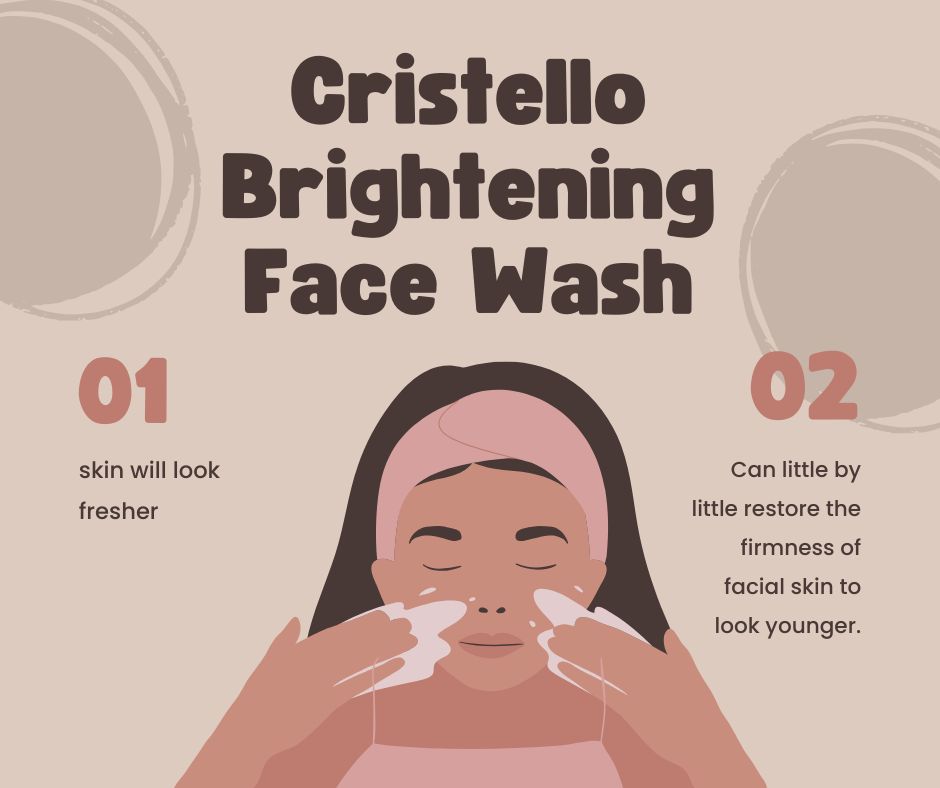
| Cristello Gentle Face Wash | Morning and night cleansing | Gel-based formula removes oil and grime without stripping | All skin types, especially combination and oily |
| Cristello Lightweight Sunscreen | Morning sun protection | Non-greasy, SPF 30+, stays on through humidity | Daily outdoor exposure, commute, errands |
| Optional: Cristello Serum (if available) | Pre-sunscreen hydration or treatment | Adds targeted benefits without heaviness | Pigmentation, dullness, or extra hydration needs |
Link these directly to your product pages so readers can move from understanding the routine to actually implementing it without friction.
Common Monsoon Skincare Mistakes to Avoid
Even with the right products, certain habits can sabotage your results during the rainy season.
- Over-washing your face: More than twice a day disrupts your skin barrier and increases oil production
- Skipping sunscreen on cloudy days: UV rays penetrate clouds, and inconsistent use leads to uneven tanning
- Using heavy, winter-formula products: Cream cleansers and rich moisturizers feel uncomfortable and clog pores in humidity
- Touching your face frequently: Monsoon brings more bacteria and pollution, and touching transfers that to your skin
- Ignoring your neck and chest: These areas get just as much sun exposure but are often neglected in sunscreen application
Morning Routine: A Practical Walkthrough
Here’s exactly how your morning should look if you’re using Cristello’s face wash and sunscreen as your core products.
- Splash with lukewarm water: Opens pores slightly for better cleansing
- Apply Cristello Face Wash: Massage gently for 30–60 seconds, focusing on T-zone if you’re oily
- Rinse thoroughly: Make sure no residue remains, especially around the jawline and hairline
- Pat dry with a clean towel: Don’t rub this causes friction and irritation
- Apply serum (if using): Wait 1–2 minutes for absorption before sunscreen
- Apply Cristello Sunscreen: Use a generous amount (about a quarter teaspoon for face and neck), and give it 2–3 minutes to set before makeup or stepping out
Total time: 5–7 minutes, which is realistic for most working professionals and students.
Night Routine: Slightly Different, Equally Important
Your night routine can be almost identical to morning, with a couple of adjustments for repair and recovery while you sleep.
- Cleanse with Cristello Face Wash: If you wore sunscreen or makeup, you might want to double-cleanse (oil-based cleanser first, then face wash)
- Apply treatment serum (if using): Retinol, AHA, or targeted treatments go here, but only 2–3 times a week to start
- Apply light moisturizer: Locks in hydration and supports overnight skin repair
- Optional: Lip balm or eye cream: If you have specific concerns in these areas
Total time: 5–8 minutes, and you can skip the treatment step on nights when your skin feels sensitive or tired.
When to See a Dermatologist
Not every monsoon skin concern can be solved with over-the-counter products, and certain signs warrant professional attention.
- Persistent acne that doesn’t respond to salicylic acid or niacinamide after 6–8 weeks
- Sudden pigmentation or dark patches that appear despite consistent sunscreen use
- Severe sensitivity, redness, or rashes that worsen with product use
- Fungal infections (itchy, ring-shaped rashes) that are more common in humid weather
A dermatologist can prescribe targeted treatments like topical antibiotics, antifungals, or prescription-strength retinoids that over-the-counter products can’t match.
Explore more Cristello products – Order Online on cutiskart Pharmacy for Skin, Hair & Nail Care
The Bottom Line
A solid monsoon skincare routine doesn’t need to be complicated, it needs to be consistent. Start with a gentle face wash, a non-greasy sunscreen, and a light moisturizer, then add targeted treatments only if your skin actually needs them. That’s the difference between a routine that feels like a chore and one that actually keeps your skin balanced through the rainy season.
FAQs
-
Do I need a different face wash for the monsoon?
If your current face wash feels too drying or too heavy in humidity, yes switching to a gel-based, pH-balanced formula often makes a noticeable difference in how your skin feels throughout the day.
-
Can I use the same sunscreen year-round?
Technically yes, but many people find their winter sunscreen feels too rich or sticky in monsoon, so having a lighter, non-greasy formula specifically for humid months improves compliance and comfort.
-
How often should I reapply sunscreen in the monsoon?
If you’re indoors most of the day, once in the morning is sufficient. If you’re outdoors for more than 3–4 hours, reapply once midday, especially if you’re sweating or in and out of rain.
-
Should I exfoliate more in the monsoon to prevent breakouts?
No over-exfoliation is a common monsoon mistake. Stick to 1–2 times a week with a gentle AHA or BHA, and let your face wash handle daily cleansing without additional scrubbing.
-
What if my skin feels sticky even with lightweight products?
Try reducing the number of layers if you’re using serum, sunscreen, and moisturizer, consider dropping the moisturizer on very humid days and see if your skin feels more comfortable.
Leave a Reply