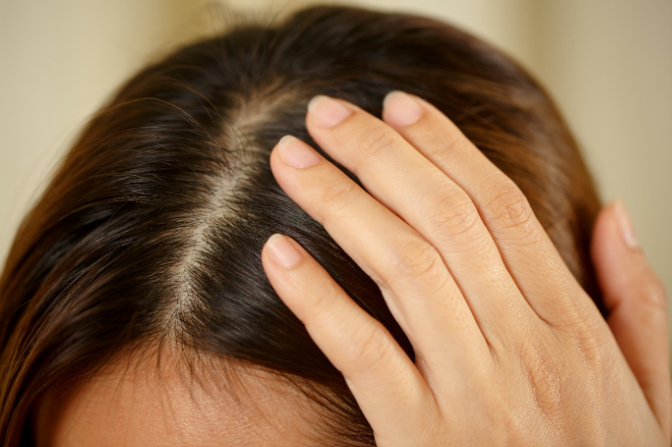
You’ve noticed more strands on your pillow than usual, or your parting looks a little wider than it did last year, and now you’re standing in front of a shelf or a screen full of hair growth serums promising to fix it.
- Some list Minoxidil 5%, others say Redensyl, a few claim “10% strength” like that’s automatically better.
- This hair growth serum buying guide exists because picking the wrong strength for your actual stage of hair fall is one of the most common (and most expensive) mistakes people make either underdosing a serum that can’t keep up with genuine hereditary hair loss, or jumping straight to a strong Minoxidil solution when a gentler option would have worked just as well with fewer side effects.
This guide walks through how to honestly assess your own hair fall stage, which ingredient class and strength actually matches each stage, and how to avoid the two most common buying mistakes: going too weak for too long, or going too strong too soon.
Why “Strength” Matters More Than Brand
Every hair serum brand markets itself as the best option, but the ingredient and its concentration are what actually determine whether it can keep up with your hair loss not the packaging or the price point.
- A serum’s “strength” almost always refers to its active ingredient concentration (most commonly Minoxidil, expressed as a percentage like 5% or 10%), or, for non-Minoxidil serums, the presence and combination of growth-stimulating actives like Redensyl, Procapil, or caffeine.
- Matching that strength to your actual hair fall stage not your impatience for results is what determines whether you see regrowth or just a lighter wallet.
Step 1: Honestly Assess Your Hair Fall Stage
Before buying anything, it helps to place where you actually are, since early thinning and advanced hereditary hair loss respond to very different approaches.
- Are you noticing slightly more shedding than usual, with no visible thinning or widening part yet?
- This is early-stage hair fall often triggered by stress, seasonal shedding, nutritional gaps, or scalp issues rather than genetic pattern hair loss.
- Is your parting visibly wider, or is your hairline showing early recession, but you still have decent density overall?
- This is moderate thinning, and it’s usually the stage where people first notice something is genuinely changing rather than just “more hair than usual in the shower drain.”
- Do you have clearly visible scalp show-through, a receding hairline that’s progressed over months, or thinning that’s resistant to basic hair care changes?
- This is advanced or resistant hair loss, and it typically needs a stronger, more targeted approach and often a dermatologist’s involvement rather than an over-the-counter serum alone.
| Stage | What You’ll Notice | Typical Cause |
| Early thinning | Slightly more shedding, no visible density loss | Stress, seasonal shedding, deficiency, scalp issues |
| Moderate thinning | Widening part, early hairline recession, visibly reduced density | Early androgenic alopecia, prolonged stress, hormonal shifts |
| Advanced/resistant | Clear scalp show-through, stalled response to basic products | Established hereditary pattern hair loss (androgenic alopecia) |
Step 2: Match Ingredient Class to Your Stage
Once you have an honest read on your stage, the ingredient class matters more than the brand name on the bottle.
| Hair Fall Stage | Recommended Ingredient Class | Why |
| Early thinning | Redensyl, caffeine, peptide-based serums | Gentler, works on reactivating dormant follicles without the vasodilator side effects of Minoxidil |
| Moderate thinning | Minoxidil 5%, or Redensyl + Procapil combinations | Minoxidil 5% is the standard starting strength for genuine pattern hair loss; combination actives add follicle support |
| Advanced/resistant | Minoxidil 10%, or Minoxidil combined with a DHT-blocking approach under dermatologist guidance | Higher concentration or combination therapy needed when standard strength isn’t holding the line |
If you’re at the early-thinning stage, starting with a strong Minoxidil solution isn’t necessarily “better” it just means more scalp irritation risk and dryness for a stage of hair fall that a gentler, non-Minoxidil serum may address just as effectively. Save the stronger concentrations for when your hair fall has genuinely progressed past what a gentler formula can manage.
Redensyl vs Minoxidil: The Core Decision Most Buyers Get Wrong
This is the single most common confusion in hair serum buying, so it’s worth being direct about it.
- Redensyl is a plant-derived complex that works by reactivating dormant hair follicle stem cells. It’s gentler on the scalp, doesn’t carry Minoxidil’s vasodilator side effects, and is generally the better starting point for early-stage thinning or sensitive scalps. Results typically take 3-6 months of consistent use to show.
- Minoxidil is an FDA-approved, clinically established topical treatment that works by improving scalp blood flow and extending the hair growth phase. It’s the more proven option for established androgenic alopecia (hereditary pattern hair loss), and results are commonly seen within 3-4 months, though an initial “shedding phase” in the first few weeks is normal and not a sign it’s failing.
For a deeper side-by-side breakdown of how these two actually compare in clinical terms, our Redensyl vs Minoxidil guide covers the mechanism differences in more depth.
Choosing Your Minoxidil Strength, If You Need It
If your stage genuinely calls for Minoxidil, the next decision is concentration and this is where a lot of people either underdose or overdo it.
- Start at 5% if this is your first time using Minoxidil. This is the standard starting strength for most users with moderate thinning or early androgenic alopecia, and it has a better side-effect profile than jumping straight to 10%.
- Move to 10% only if 5% hasn’t shown results after a full 4-6 month trial. Switching too early doesn’t give the lower strength a fair chance, and switching too late means tolerating a stage of hair fall that’s progressing unnecessarily.
- Don’t assume higher percentage always means better results. Beyond a certain point, more Minoxidil doesn’t proportionally improve outcomes it mostly increases the likelihood of scalp irritation, dryness, or unwanted facial/body hair growth in some users.
- Watch for the shedding phase in the first 2-6 weeks. This is a normal transitional phase as hair follicles reset their growth cycle, not a sign the product isn’t working. Many people quit right before they would have seen results.
For a full comparison of specific pharmacy-grade options by strength and format, our Best Hair Growth Serum in India 2026 guide breaks down individual products like Tugain 5% Gel and Morr 12.5% Solution in more detail.
Serum, Solution, or Gel: Does Format Matter for Your Stage?
Beyond active ingredients and strength, the format affects how consistently you’ll actually use it and consistency is what determines results more than almost anything else.
| Format | Best For | Trade-off |
| Serum | Daily use, lighter feel, good for visible/social hours | Usually needs twice-daily application for full effect |
| Solution | Straightforward, often the most studied Minoxidil delivery format | Can feel slightly heavier or greasier on the scalp |
| Gel | Faster drying, less residue | Slightly higher alcohol content in some formulations, which can be drying for sensitive scalps |
If you know you won’t stick with a routine that feels heavy or greasy, a lighter serum format even if it means slightly more frequent application is the more realistic choice, since a product you stop using consistently won’t work regardless of its strength.
Real Product Examples by Stage
To make this concrete, here’s how a few CutisKart-stocked serums map onto the staging framework above:
- Early thinning: Redenser Plus Serum (Redensyl-based) is a reasonable starting point for early, non-hereditary shedding or sensitive scalps.
- Moderate thinning: Tressgro Hair Serum (Procapil + Biotin + Niacinamide) combines follicle-support actives without jumping straight to Minoxidil, useful for moderate thinning where you want more than Redensyl alone but aren’t ready for a Minoxidil routine.
- Moderate to advanced: Minoxidil 5% solutions or gels are the standard next step once thinning is clearly progressing our hair growth serum roundup covers specific 5% options in detail.
- Advanced/resistant: Higher-concentration Minoxidil (10%+) or combination approaches, ideally started under a dermatologist’s guidance given the higher likelihood of side effects and the importance of ruling out other causes first.
Who Should See a Dermatologist Before Buying Anything
Self-selecting a serum works for many people, but a few situations genuinely call for professional input before you spend money on any product:
- Hair fall that’s sudden, patchy, or accompanied by visible scalp redness, scaling, or pain
- Hair loss in women, where the underlying cause (hormonal, thyroid-related, nutritional) needs to be identified before treatment, not just guessed at
- No improvement at all after a full 4-6 month trial at the appropriate strength for your stage
- Hair fall alongside other symptoms unexplained weight change, fatigue, or menstrual irregularities that may point to a non-cosmetic underlying cause.
You can browse the full range of hair growth serums on CutisKart to find the one that matches your stage.
Common Mistakes That Waste Money on Hair Serums
- Are you switching products every few weeks because you’re not seeing instant results?
Hair growth serums, regardless of ingredient, need a minimum of 3-4 months of consistent, correct use before their effect can be fairly judged switching early resets that clock every time. - Are you applying serum to unwashed, product-heavy hair?
Buildup from styling products can reduce how well a serum actually reaches the scalp applying to a clean, dry scalp improves absorption. - Are you using a stronger concentration than your stage needs, hoping for faster results?
This usually just adds irritation risk without meaningfully speeding up regrowth, since the biological process of reactivating or extending hair growth cycles takes time regardless of concentration. - Are you skipping the shedding phase discussion and assuming the product failed?
This is one of the most common reasons people abandon a genuinely working Minoxidil routine in the first month.
Conclusion
Choosing the right hair growth serum isn’t about picking the strongest bottle on the shelf it’s about matching the ingredient and concentration to where your hair fall actually stands today, and giving it the months it genuinely needs to work. For specific product picks by strength and format, our Best Hair Growth Serum in India 2026 guide rounds up pharmacy-grade options.
Your Online Pharmacy for Hair Care products – Fast Delivery Across Bangalore in 3hours
Frequently Asked Questions
-
How do I know what strength of hair growth serum I need?
Assess your actual hair fall stage first early shedding with no visible thinning usually calls for a gentler Redensyl-based serum, moderate thinning typically responds to Minoxidil 5%, and advanced, resistant hair loss often needs Minoxidil 10% or a combination approach, ideally with dermatologist input.
-
Is a higher percentage Minoxidil always more effective?
Not proportionally 5% is the standard, well-studied starting strength for most users, and moving to 10% is generally reserved for cases that haven’t responded to 5% after a full trial period, since higher concentrations also raise the risk of scalp irritation.
-
How long before a hair growth serum shows results?
Most serums, whether Redensyl or Minoxidil-based, need 3-6 months of consistent use before you can fairly judge results expecting visible change within a few weeks is the most common reason people quit too early.
-
Can I use Redensyl and Minoxidil together?
Some combination products pair Redensyl with Procapil or other actives, but combining a separate Redensyl serum with a separate Minoxidil product should generally be discussed with a dermatologist first, since layering actives isn’t always necessary or beneficial for your specific stage.
-
Is the shedding phase in the first few weeks normal?
Yes an initial increase in shedding during the first 2-6 weeks of Minoxidil use is a normal part of the hair growth cycle resetting, not a sign the product isn’t working, though it’s worth mentioning to a dermatologist if it feels unusually heavy or prolonged.
-
Should women use the same strength as men for hair fall?
Not necessarily hair loss in women often has different underlying causes and typically starts at lower Minoxidil concentrations; a dermatologist consultation is particularly worthwhile for women before selecting a strength, since the right approach depends heavily on the underlying cause.
Leave a Reply