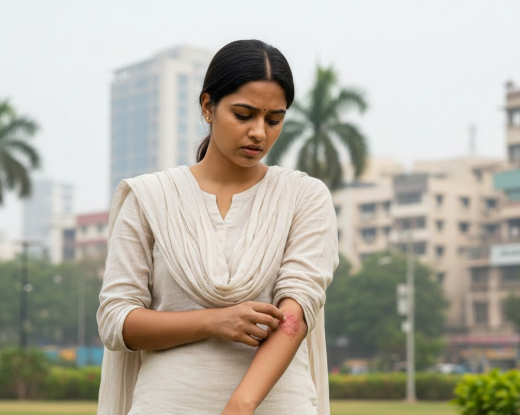
Skin rashes are among the most common skin concerns faced by people across India. From prickly heat during peak summers to fungal infections in the monsoon and eczema flare-ups in polluted cities, Indian skin is constantly challenged by climate, environment, and daily habits.
At Cutiskart, we specialize in dermatologist-recommended skincare, hair, and nail solutions curated specifically for Indian skin conditions. Through our work and ongoing interaction with customers across the country, we’ve seen clear patterns in why skin rashes occur, how they present, and what actually helps manage them effectively.
Why Skin Rashes Are So Common in India
India’s unique combination of weather, lifestyle, and environmental exposure makes skin rashes more frequent than many realize. Some of the biggest contributors include:
- Heat and humidity, which block sweat ducts and irritate the skin
- Monsoon moisture, encouraging fungal and bacterial growth
- Urban pollution, especially in cities like Delhi and Mumbai, which weakens the skin barrier
- Synthetic clothing, trapping sweat and friction
- Harsh soaps and detergents, disrupting the skin’s natural balance
- Poor hygiene practices, such as sharing towels or clothes
These factors mean rashes aren’t just occasional; they often recur if not treated correctly.
Most Common Skin Rashes Seen in India
Based on what we commonly see across different regions and climates, these are the most prevalent skin rashes in India:
Heat Rash (Prickly Heat)
- Small red bumps with itching or stinging
- Common during Indian summers and in humid coastal regions
- Often affects children, outdoor workers, and people who sweat excessively
Fungal Skin Infections (Ringworm, Candidiasis)
- Itchy, circular or spreading patches
- Common in underarms, groin, between toes, and skin folds
- Peaks during monsoon due to prolonged moisture
Eczema (Atopic Dermatitis)
- Dry, flaky, itchy skin with redness
- Frequently worsens in polluted cities and during dry winters
- Often chronic, requiring consistent care
Hives (Urticaria)
- Raised, itchy welts that appear suddenly
- Triggered by heat, food allergies, stress, or infections
Psoriasis
- Thick, scaly patches with redness
- A long-term condition influenced by stress, climate changes, and immunity
India-Specific Triggers You Should Know
Unlike generic skin advice, Indian conditions require context-aware care. Common triggers we see include:
- Extreme heat and sweat retention
- Air pollution and dust exposure
- Spicy food sensitivities in some individuals
- Hard water and frequent washing
- Tight or synthetic clothing in hot weather
Understanding these triggers is key to preventing repeat flare-ups.
Seasonal Patterns of Skin Rashes in India
Skin rashes in India often follow predictable seasonal trends:
- Summer: Heat rash, sweat-induced allergies, hives
- Monsoon: Fungal infections due to constant dampness
- Winter: Eczema flare-ups and excessively dry skin
Someone in a coastal city may struggle year-round with fungal rashes, while someone in northern India may mainly face winter-related eczema.
Real-Life Scenarios We Commonly Encounter
While maintaining privacy, these are typical situations we see frequently:
- A young adult in Mumbai develops itchy underarm ringworm during monsoon due to sweat and tight clothing. With early antifungal care, the rash clears quickly.
- A Delhi resident experiences repeated eczema flare-ups triggered by pollution and dry winter air, requiring regular moisturization and skin barrier repair.
- A college student in Chennai struggles with recurring prickly heat every summer because of prolonged outdoor exposure and synthetic fabrics.
These cases highlight how climate and lifestyle play a crucial role in skin health.
Common Myths About Skin Rashes in India
Many rashes worsen due to misinformation, such as:
- “Home remedies are enough for all rashes”
- “Rashes will go away on their own”
- Overusing steroid creams without guidance
- Sharing towels, clothes, or bedding
These habits often delay healing and make the condition worse.
How Skin Rashes Should Be Treated
From our experience with dermatologist-recommended solutions, an effective approach includes:
- Identify the cause
Fungal, allergic, heat-related, or chronic each needs a different approach. - Use targeted treatment
- Antifungal products for fungal rashes
- Anti-itch or soothing lotions for irritation
- Intensive moisturizers for eczema-prone skin
- Support with gentle skincare
Mild cleansers and barrier-repair products help prevent recurrence. - Avoid triggers
Keep skin dry, switch to breathable fabrics, and avoid harsh products.
Over-the-counter care can help mild rashes, but persistent or spreading rashes should always be evaluated by a dermatologist.
When You Should See a Dermatologist
Seek medical attention if a rash:
- Lasts longer than 7 days
- Spreads rapidly or worsens
- Shows oozing, blisters, or swelling
- Causes pain or severe itching
- Keeps coming back despite treatment
Ignoring these signs can turn a simple rash into a chronic skin issue.
Practical Tips to Prevent Skin Rashes in India
Simple daily habits can significantly reduce flare-ups:
- Wear loose, breathable cotton clothing
- Avoid talc-heavy powders that clog pores
- Stay hydrated with 2–3 litres of water daily
- Use sunscreen to protect against pollution damage
- Maintain personal hygiene and avoid sharing towels
Choosing dermatologist-approved products suited for Indian climates plays a big role in long-term skin health.
Final Thoughts
Skin rashes in India are deeply influenced by climate, pollution, hygiene, and lifestyle. With the right awareness, early care, and targeted treatment, most rashes can be managed effectively and prevented from recurring.
At Cutiskart, our mission is to simplify expert-backed skincare for real Indian conditions so your skin stays healthy through every season.
Leave a Reply